
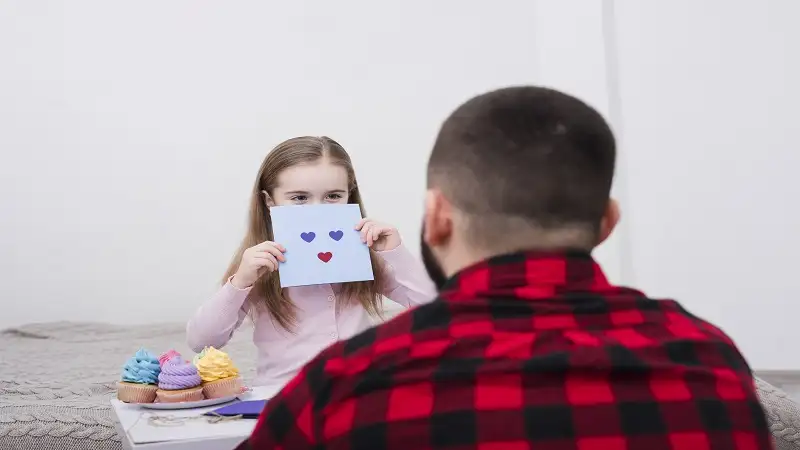
Parenting is one of the most meaningful responsibilities in life, but it can also be challenging. Parents manage school schedules, meals, bedtime, emotions, discipline, screen time, and many other daily responsibilities. Every child is different, so there is no single parenting method that works perfectly for every family. Good parenting usually comes from patience, understanding, consistency, and a willingness to learn.
FPMomHacks Parenting Advice by FamousParenting focuses on practical ideas that parents can use in everyday family life. The goal is not to create perfect parents or perfect children. Instead, useful parenting guidance can help families communicate better, create healthy routines, and handle common challenges with greater confidence.
FPMomHacks Parenting Advice by FamousParenting for Daily Routines
A predictable daily routine can make family life easier. Children often feel more comfortable when they know what will happen next. A simple routine can include waking up, getting ready, eating breakfast, attending school, completing homework, enjoying free time, having dinner, and preparing for bed.
Parents do not need to make every hour strict. A flexible routine is often more realistic. Children should have enough time for play, rest, learning, and family interaction. When routines are consistent, children can gradually learn responsibility and become more independent.
FPMomHacks Parenting Advice by FamousParenting encourages parents to build routines that fit their family’s needs rather than copying another family’s schedule.
FPMomHacks Parenting Advice by FamousParenting for Better Communication
Good communication is an important part of a strong parent-child relationship. Children need to feel that their parents are willing to listen to them. Instead of immediately correcting a child, parents can first ask questions and understand what happened.
Simple conversations during meals, car rides, walks, or bedtime can create opportunities for children to share their thoughts. Parents should also use language that children can understand. Clear instructions are generally more effective than long lectures.
When children make mistakes, parents can discuss the problem calmly. This teaches children that mistakes are opportunities to learn rather than reasons to hide problems.
FPMomHacks Parenting Advice by FamousParenting for Positive Discipline
Discipline should teach children appropriate behavior rather than simply punish them. Parents can establish a few clear family rules and explain why those rules matter. Children are more likely to understand expectations when rules are simple and consistent.
For example, parents may explain that toys should be put away after playing or that homework should be completed before entertainment. When a rule is broken, the response should be reasonable and connected to the behavior.
FPMomHacks Parenting Advice by FamousParenting supports the idea that respectful discipline can help children understand consequences while maintaining a positive relationship with their parents.
FPMomHacks Parenting Advice by FamousParenting for Handling Tantrums
Tantrums are common during childhood, especially when children are tired, frustrated, hungry, or unable to express their feelings. Parents can remain calm and avoid turning the situation into a shouting match.
During a tantrum, safety should come first. Once the child becomes calmer, parents can talk about the emotion and explain appropriate ways to express it. Teaching children words for feelings such as angry, disappointed, worried, or frustrated can help them communicate more effectively over time.
Parents should remember that emotional skills develop gradually. A child may need repeated guidance before learning to manage strong feelings independently.
FPMomHacks Parenting Advice by FamousParenting for Healthy Family Habits
Healthy habits are easier to maintain when the whole family participates. Parents can encourage balanced meals, regular physical activity, sufficient sleep, personal hygiene, and time away from screens.
Children often learn by watching adults. If parents demonstrate healthy habits themselves, children can see those behaviors as normal parts of everyday life. Family walks, outdoor games, shared meals, and regular bedtime routines can become simple traditions.
FPMomHacks Parenting Advice by FamousParenting highlights the importance of making healthy choices practical instead of treating them as complicated rules.
FPMomHacks Parenting Advice by FamousParenting for Busy Parents
Modern parents often have work, household responsibilities, school activities, and personal commitments. Being busy does not mean parents cannot create meaningful connections with their children.
Small moments can have great value. Reading together for a few minutes, asking about the child’s day, preparing a meal together, or taking a short walk can strengthen family relationships.
Parents should also avoid comparing themselves with families shown online. Every household has different circumstances. What matters most is creating a supportive environment where children feel loved, respected, and heard.
FPMomHacks Parenting Advice by FamousParenting for Screen Time
Technology is part of modern childhood, but children need balance. Parents can establish reasonable screen-time expectations based on the child’s age, responsibilities, and family schedule.
Instead of focusing only on the number of minutes, parents can also consider what children are doing online. Educational activities, creative projects, communication, and entertainment can have different purposes.
Keeping devices away during family meals or before bedtime can encourage conversation and improve routines. Parents can also model responsible technology use by following similar rules themselves.
FPMomHacks Parenting Advice by FamousParenting for Building Confidence
Children develop confidence when they are given opportunities to try, learn, and solve problems. Parents can encourage effort instead of focusing only on results. Saying, “You worked hard on that,” can help children understand the value of persistence.
Age-appropriate responsibilities can also build confidence. A child might organize school supplies, help prepare a simple meal, or choose clothes for the next day.
FPMomHacks Parenting Advice by FamousParenting emphasizes encouragement without unrealistic pressure. Children should understand that making mistakes does not reduce their value.
FPMomHacks Parenting Advice by FamousParenting for School Success
Parents can support education by creating a comfortable place for homework and helping children develop regular study habits. They do not need to complete schoolwork for their children. Instead, they can ask questions and encourage children to find solutions.
Communication with teachers can also help parents understand academic progress and identify areas where a child may need additional support.
A healthy balance is important. Children need time for study, play, sleep, friendships, and relaxation. Constant academic pressure can make learning stressful, so parents should encourage curiosity and steady progress.
FPMomHacks Parenting Advice by FamousParenting for Emotional Support
Children experience many emotions, and they may not always know how to explain them. Parents can help by acknowledging feelings rather than dismissing them.
If a child is upset, saying “I understand that you are disappointed” can make the child feel heard. This does not mean parents must agree with every reaction. They can recognize the emotion while still setting appropriate behavioral limits.
FPMomHacks Parenting Advice by FamousParenting encourages parents to create an environment where children can discuss worries and emotions without fear of unnecessary judgment.
FPMomHacks Parenting Advice by FamousParenting for Strong Family Bonds
Family connection grows through regular interaction. Shared meals, conversations, games, reading, outdoor activities, and family traditions can create positive memories.
Parents do not need expensive activities to strengthen relationships. A simple evening conversation can be just as meaningful as a large family outing.
Children benefit when parents show interest in their hobbies and experiences. Asking about a favorite subject, game, book, or activity can open the door to deeper communication.
FPMomHacks Parenting Advice by FamousParenting for Better Bedtime
Sleep is an important part of childhood development and daily functioning. A calming bedtime routine can help children prepare for sleep.
Parents can create a predictable sequence such as bathing, changing clothes, reading, and preparing for bed. Keeping the environment calm and reducing stimulating activities before bedtime may also help.
Consistency is usually more useful than perfection. If bedtime changes occasionally because of travel or family events, parents can return to the normal routine afterward.
FPMomHacks Parenting Advice by FamousParenting for Healthy Eating
Parents can encourage healthy eating by offering a variety of nutritious foods and allowing children to become familiar with different tastes. Meals should not always become a battle.
Children may reject a food several times before accepting it. Parents can continue offering healthy choices without forcing children to eat large amounts.
Family meals can also teach positive eating habits. When possible, eating together gives parents opportunities to demonstrate balanced choices and encourage relaxed conversation.
FPMomHacks Parenting Advice by FamousParenting for Raising Independent Children
Independence develops gradually. Parents can give children responsibilities that match their age and abilities. Younger children might put away toys, while older children can organize school materials or help with household tasks.
Parents should allow children to attempt appropriate tasks before stepping in. It may take longer at first, but practice helps children become capable and confident.
FPMomHacks Parenting Advice by FamousParenting suggests that independence grows through guidance, patience, and opportunities to make age-appropriate decisions.
FPMomHacks Parenting Advice by FamousParenting for Managing Parenting Stress
Parents also need to care for their own well-being. Constant stress can make ordinary parenting challenges feel much harder.
Taking a short break, speaking with a trusted person, getting enough rest, or organizing responsibilities can help parents feel more prepared. Asking for help is not a sign of failure. Families often function better when responsibilities are shared.
Parents should remember that they do not need to handle every situation perfectly. Learning from difficult moments is part of the parenting journey.
FPMomHacks Parenting Advice by FamousParenting for Modern Family Life
Modern families face changing schedules, technology, educational demands, and different social pressures. The most useful approach is to remain flexible while maintaining important family values.
Parents can review routines regularly and make changes when children grow or circumstances change. What works for a toddler may not work for a teenager.
FPMomHacks Parenting Advice by FamousParenting can be viewed as a practical approach to adapting everyday parenting habits to the changing needs of children and families.
FPMomHacks Parenting Advice by FamousParenting for Everyday Parenting Challenges
Every family experiences difficult days. Children may refuse instructions, siblings may argue, plans may change, and parents may feel exhausted. These moments do not mean that a family is failing.
The key is to respond thoughtfully whenever possible. Parents can pause, identify the actual problem, and choose a simple response. Clear communication and consistent expectations can prevent many small problems from becoming larger conflicts.
Patience develops with practice. Parents can also recognize when a particular challenge requires advice from a qualified teacher, counselor, pediatric professional, or another trusted expert.
Final Thoughts on FPMomHacks Parenting Advice by FamousParenting
Parenting is a continuous learning experience. There will be successful days and difficult days, and both can teach valuable lessons. Children need structure, affection, guidance, encouragement, and opportunities to become independent.
The most important goal is not perfection. It is creating a home where children feel safe, valued, and supported while learning how to handle responsibilities and emotions.
FPMomHacks Parenting Advice by FamousParenting provides a useful framework for thinking about everyday parenting through communication, routines, positive discipline, healthy habits, emotional support, and family connection. By applying simple ideas consistently and adapting them to individual children, parents can build stronger and more positive family relationships.