
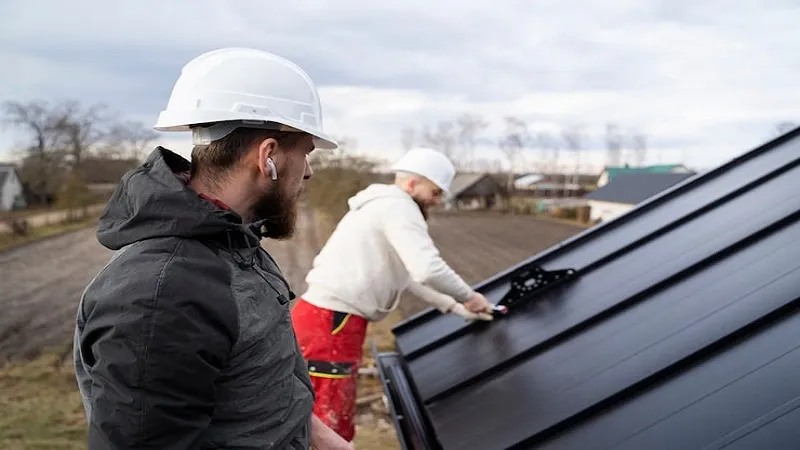
It is very important for homeowners who make plans for maintenance or replacement of their roofs in the future to know how long a roof will last. Roof life is determined by a number of factors, including roofing materials, the quality of installation, and local weather conditions. Roofs are subjected to different levels of degradation depending upon the varying climate of a place; therefore, it becomes very important to take good care so as to increase the life of a roof.
Common Types of Roofing Materials and Their Expected Lifespans
Various roofing materials differ in their durability and performance levels. Selecting the appropriate material will not only affect your expenses but will also determine the lifespan of your roof. A knowledgeable roofing contractor will assist homeowners in figuring out which option will be the most compatible with their house and the weather of the area.
- Asphalt shingles: With proper quality and maintenance practices, they should last from 15 to 30 years.
- Wood shakes: Though packing 20 to 40 years of lifespan, they must be regularly maintained to avoid moisture problems.
- Clay or concrete tiles: With a lifespan of 40 to 75 years, these materials are best suited to warm and dry regions.
- Metal roofing: Being highly durable, they typically last for 40 to 70 years with hardly any maintenance.
- Slate: Very durable and long-lasting, examples in use today that have been installed properly are over 75 years old.
The Effect of Climate on the Lifespan of Roofs
Since California’s climate differs greatly from the humid coast to the hot inland areas to the snow-covered mountains, the roofing materials are subject to different kinds of stresses. For example, sunlight leads to the degradation of shingles, whereas metal surfaces corrode faster due to the salty air of coastal areas.
Regular inspections should be done in order to find problems early in the storm seasons for areas susceptible to strong winds or heavy rain. After a severe weather event, a homeowner might require a storm damage roof repair in order to avoid leaks or structural weakening. The sooner problems are taken care of, the longer the overall roof will last.
Maintenance Practices That Extend Roof Life
Regular maintenance is a key factor in the lifespan of a home’s roof. Keeping it clean, fixing it as soon as it shows signs of wear, and keeping the right balance of ventilation can enhance a roof’s capability and minimize the risk of it failing prematurely.
- Clear gutters and valleys of leaves and other waste materials to avoid water accumulation.
- Cut back any branches that hang over the roof and can cause scratching or puncturing.
- Check the flashing and sealant areas once a year for cracks or lifting edges.
- Make sure attic spaces are ventilated so as to reduce heat and moisture build-up.
- Get the shingles or tiles that have been damaged replaced right away so as not to have any leaks.
Professional inspections and repairs
In fact, even the best-maintained roofs can get a lot from expert inspections. A registered specialist is able to spot hidden signs of wear that can’t be seen from the ground. Finding problems such as unfastened flashing, minor leaks, or absent shingles at an early stage can substantially increase the lifespan of the roof.
In case of repairs, it is a good idea to work with a skilled roofing professional who is knowledgeable about the latest standards and is able to provide you with appropriate materials. Correct installation and repair methods not only cut down the costs in the long run but also protect the home structure.
Timing for Replacement
After a certain period, a roof ceases to perform well simply because it has aged too long. Some of the major indicators for a roof replacement are: curling shingles over a large area, frequent leaking, a sagging roof that is visible, and a significant drop in the energy efficiency of the house as the older materials have lost their capability of reflection.
Residential owners are to carefully consider whether repairing the roof or completely changing it is more economically viable. Sometimes, it is a wise decision to use efficient and durable materials available on the market nowadays because, besides enhanced protection from different climatic elements, these products come with longer service warranties that can boost your confidence in the product for even a few decades.
See Related: Isle of Wight Festival Guide: Sunsets, Soundtracks & Seaside Vibes
Planning for Long-Term Roof Performance
How long a roof lasts and in what condition depends largely on good planning, regular upkeep, and excellent work. Those keeping an eye on their roofs every year and doing repairs when needed are less likely to have big problems.
Knowing how long the materials will last, what kind of weather the area usually has, and what the roof will need in terms of maintenance are the main things to consider if you want your roof to last as long as possible.