
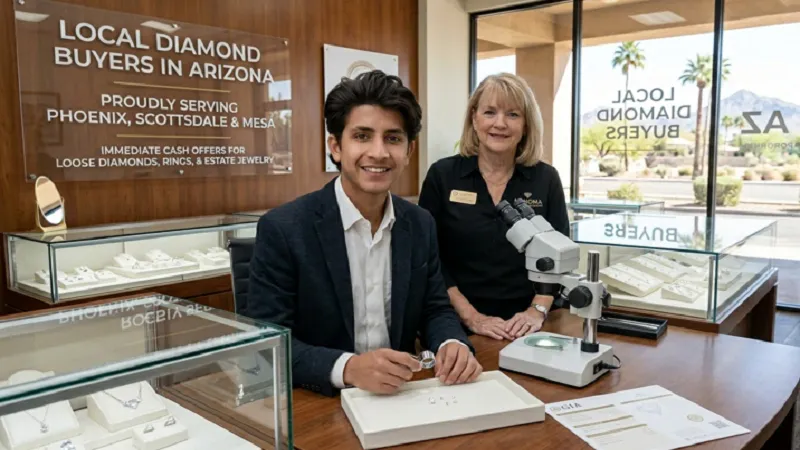
Estate jewelry is gaining renewed attention as more people look beyond traditional retail and start thinking about value, history, and practicality. Instead of focusing only on new purchases, buyers and sellers are reconsidering what pre-owned pieces offer in terms of quality and long-term worth. Arizona has emerged as a particularly active market, where steady demand and a competitive landscape make transactions more transparent and accessible. As diamond pricing becomes more widely understood and alternatives like lab-grown stones reshape expectations, estate jewelry is finding a stronger place in the conversation. What if the most overlooked pieces are actually the ones with the most potential?
So, What Counts as Estate Jewelry?
Estate jewelry refers to any pre-owned piece, whether it’s decades old or relatively recent, and it doesn’t necessarily mean the item comes from an inheritance. Many people assume estate jewelry must be antique, but that’s not always the case; some pieces enter the estate category simply because they’ve changed hands. This broad definition is part of what makes the category so interesting, but also somewhat misunderstood. Buyers often overlook newer estate pieces that still hold strong value and appeal. Understanding this distinction helps both buyers and sellers approach the market more realistically.
At the same time, estate jewelry often carries a mix of emotional and financial value that can complicate decisions. A ring passed down through generations may feel priceless to one person, yet its market value depends on measurable factors like materials and craftsmanship. How do you separate sentiment from actual worth when evaluating a piece? That question comes up frequently in estate transactions. The key is recognizing that both perspectives matter, but they serve different purposes depending on whether you plan to keep or sell the item.
Why Arizona Has Become a Go-To Place for Jewelry Buyers and Sellers
Arizona has quietly built a reputation as a strong market for jewelry transactions, especially when it comes to estate pieces and diamonds. Several cities in the state have developed active buying and selling ecosystems, supported by a steady flow of both residents and visitors. Seasonal residents, in particular, contribute to a consistent supply of estate jewelry entering the market. This creates a dynamic environment where supply and demand remain relatively balanced. As a result, sellers often find more opportunities to compare offers and make informed decisions.
Another factor that sets Arizona apart is the level of competition among buyers. With many professionals operating in the same space, there is a natural push toward fair pricing and quicker transactions. What does that mean for someone looking to sell a piece of jewelry? It often translates into better leverage and more transparency during negotiations. Instead of relying on a single offer, sellers can explore multiple options and better understand their item’s true market value. This competitive environment benefits informed participants on both sides of the transaction.
How the Diamond Market Has Quietly Shifted
The diamond market today looks very different from what it did even a decade ago. Traditional retail markups are no longer the only reference point, as buyers have access to more pricing data than ever before. This increased transparency has made it harder to overprice diamonds, especially in the resale market. Buyers are now more informed about grading standards and value drivers, which influences how they approach purchases. As a result, pricing has become more closely aligned with actual market demand rather than perception alone.
At the same time, the way people buy and sell diamonds has evolved significantly. Online platforms have introduced new levels of convenience, but they also come with trade-offs in trust and immediacy. Some sellers prefer local transactions where they can interact directly and receive instant offers. Is it better to prioritize convenience or certainty when selling something valuable? That decision often depends on the seller’s priorities, but the trend shows that many still value in-person evaluations for higher-value items. This shift reflects a broader move toward informed, deliberate decision-making.
Why More People Are Choosing Estate Jewelry Today
Estate jewelry has become increasingly appealing to buyers who are looking for better value without sacrificing quality. Compared to new pieces, estate jewelry often offers more substantial materials or craftsmanship for a similar price. This value-driven approach resonates with buyers who want to make smarter financial decisions. Instead of paying for brand-new retail markups, they focus on the intrinsic worth of the piece. This shift reflects a broader trend toward more informed and practical purchasing habits.
Another reason for this growing interest is the uniqueness of estate jewelry. Many pieces feature designs that are no longer commonly produced, giving buyers access to something distinctive. Why settle for mass-produced styles when you can find something with character and history? That question is becoming more relevant, especially among younger buyers. Sustainability also plays a role, as reusing existing jewelry reduces the need for new resource extraction. Together, these factors are driving steady growth in the estate jewelry market.
What Actually Determines the Value of Estate Diamond Jewelry
The value of estate diamond jewelry is influenced by several measurable factors, starting with the well-known characteristics of the diamond itself. Cut, color, clarity, and carat weight remain the foundation of any evaluation. These elements determine how the diamond looks, performs, and compares to others on the market. Certification can further support these qualities by providing an objective assessment. Without proper documentation, it can be more difficult to establish trust and justify higher valuations.
Beyond the diamond, the overall piece also plays a role in determining value. Craftsmanship, condition, and design all contribute to how desirable the item is to potential buyers. Some pieces may hold additional value due to their style or historical significance, even if the diamond itself is not exceptional. What matters more, the stone or the setting? In many cases, it’s a combination of both, depending on current market preferences. Understanding these factors helps sellers approach the process with realistic expectations.
Thinking About Selling? Here’s What the Process Looks Like
Selling estate jewelry typically begins with an evaluation, where a buyer assesses the piece based on its materials and condition. This step is crucial for establishing a baseline value and understanding what the item is worth in the current market. Sellers are often presented with an offer shortly after the evaluation. While this can feel straightforward, it’s important to recognize that different buyers may value the same item differently. Taking the time to compare offers can make a meaningful difference in the final outcome.
There are also choices to be made about where and how to sell. Local diamond buyers in Arizona offer the advantage of immediate transactions and face-to-face interaction, while online platforms provide broader exposure. Which option gives you more confidence in the process? For many sellers, the ability to ask questions and receive instant feedback makes local selling more appealing. Avoiding common mistakes, such as rushing into a decision or relying on a single opinion, can help ensure a smoother experience. A well-informed approach often leads to better results.
Where the Estate Jewelry Market in Arizona Is Headed
The estate jewelry market in Arizona is expected to continue growing as more people recognize the value of pre-owned pieces. Increased awareness and education are making buyers more confident in their decisions. This trend is supported by a steady flow of jewelry entering the market, driven by generational transitions and lifestyle changes. As supply remains consistent, demand is also evolving to meet new preferences. The result is a market that feels both active and adaptable.
Looking ahead, technology and transparency are likely to play a larger role in shaping the market. Digital tools for pricing and evaluation are becoming more accessible, helping both buyers and sellers make informed choices. How will this affect traditional buying and selling practices? It may lead to more standardized pricing and fewer uncertainties during transactions. At the same time, personal interaction and trust will likely remain important, especially for higher-value items. This balance between innovation and tradition will define the next phase of the market.
Conclusion
Estate jewelry sits at the intersection of personal meaning and market value, offering both emotional significance and practical financial opportunities. In Arizona, a well-developed and competitive marketplace allows buyers and sellers to approach these transactions with greater clarity and confidence. Shifts in the diamond industry, including increased transparency and the rise of lab-grown options, are influencing how estate pieces are evaluated and appreciated. Whether the goal is to preserve a meaningful item or turn it into a useful asset, informed decisions make the biggest difference. Could the jewelry you already own hold more value than you realize?