
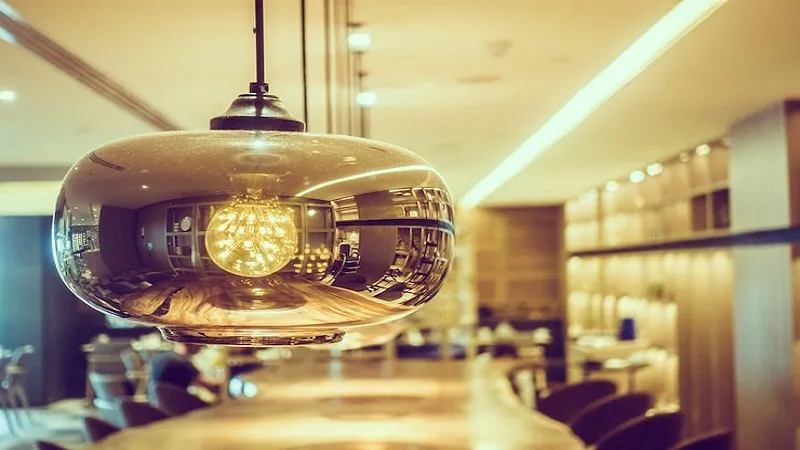
Lighting has a quiet but powerful influence on how a space feels. It affects mood, visibility, and even how people interact within a room. Among the many lighting options available today, pendant light fixtures stand out for their ability to combine style with purpose. They are simple in concept, yet incredibly versatile in how they transform interiors.
Whether used in homes, workspaces, or social settings, pendant lighting has become a key element in modern design. It offers both focused illumination and visual appeal, making it a practical and thoughtful choice for a wide range of environments.
What Makes Pendant Lighting Unique
Pendant lighting is defined by its suspended design. Unlike ceiling-mounted fixtures that sit flush, these lights hang down, often from a cord, chain, or rod. This positioning allows them to direct light more precisely.
Because of this, pendant light fixtures are often used where targeted lighting is needed. They can illuminate specific areas such as dining tables, kitchen counters, or reading corners. At the same time, their design adds character to the space.
This combination of form and function is what makes them so distinctive.
Enhancing Everyday Functionality
One of the main reasons people choose pendant light fixtures is their practicality. They provide focused lighting exactly where it is needed.
In a kitchen, for example, pendant lights can be placed above a counter or island to improve visibility during food preparation. In a workspace, they can offer direct lighting that reduces eye strain.
This targeted approach makes daily tasks easier and more comfortable. Instead of relying on general lighting for everything, pendant lights allow for a more efficient setup.
Creating Visual Interest
Beyond functionality, pendant lighting plays a significant role in interior design. It draws the eye and adds depth to a room.
Because these fixtures hang at different heights, they create layers within the space. This layering effect adds dimension, making the room feel more dynamic and less flat.
Pendant light fixtures can also act as focal points. A well-placed fixture above a dining table or in an entryway can immediately capture attention and set the tone for the rest of the space.
Supporting Different Moods and Ambience
Lighting has a direct impact on how a space feels. Bright, direct light can energize a room, while softer lighting creates a more relaxed atmosphere.
Pendant light fixtures can be used to achieve both effects. By adjusting their placement, brightness, or shade design, they can contribute to different moods.
For instance, a softly lit pendant above a dining area can create a warm and inviting environment. In contrast, a brighter setup in a workspace can promote focus and productivity.
This flexibility makes pendant lighting suitable for a variety of settings.
Versatility Across Different Spaces
One of the strengths of pendant lighting is its adaptability. It works well in many areas of a home or building.
Kitchens
Pendant lights are commonly used above islands or counters, providing both task lighting and visual appeal.
Dining Areas
A single fixture or a group of pendant lights can define the dining space and create a cozy atmosphere.
Living Rooms
They can be used to highlight specific areas, such as seating arrangements or reading corners.
Entryways and Hallways
Pendant lighting can add character to transitional spaces, making them feel more welcoming.
This versatility allows pendant light fixtures to fit seamlessly into different parts of a home.
Balancing Style and Practical Use
Choosing the right lighting often involves balancing aesthetics with functionality. Pendant lighting makes this easier because it naturally combines both.
While the primary purpose is to provide light, the design of the fixture also contributes to the overall look of the room. Shapes, sizes, and materials can vary widely, allowing for creative expression.
At the same time, the placement of pendant light fixtures ensures that they remain practical. They are not just decorative elements but also essential sources of illumination.
Improving Space Perception
Lighting can influence how large or small a space feels. Pendant lights can help enhance this perception when used thoughtfully.
In smaller spaces, a single well-placed fixture can provide enough light without overwhelming the room. In larger spaces, multiple pendant lights can be arranged to create balance and cohesion.
The vertical aspect of pendant lighting also draws the eye upward, which can make ceilings feel higher and rooms more open.
Energy Efficiency Considerations
Modern lighting solutions often focus on energy efficiency, and pendant lighting is no exception. Many pendant light fixtures are designed to work with energy-saving technologies.
This means they can provide effective illumination while using less electricity. Over time, this contributes to lower energy consumption and reduced environmental impact.
In addition, efficient lighting reduces the need for frequent replacements, making it a practical long-term choice.
Adapting to Changing Needs
As lifestyles evolve, so do the ways people use their spaces. Rooms that once served a single purpose may now have multiple functions.
Pendant lighting can adapt to these changes. Its flexibility allows it to be repositioned or adjusted to suit new layouts and uses.
For example, a dining area might double as a workspace during the day. With the right pendant lighting setup, it can support both functions without compromise.
The Importance of Placement and Scale
While pendant lighting offers many benefits, its effectiveness depends on proper placement. Height, spacing, and size all play a role in how well the lighting works.
If a fixture is too high, it may not provide enough focused light. If it is too low, it could interfere with movement or visibility.
Similarly, the size of the fixture should match the scale of the space. A large room may require multiple fixtures, while a smaller space might benefit from a more compact design.
Careful planning ensures that pendant light fixtures achieve the desired effect.
Final Thoughts
Lighting is an essential part of how we experience our surroundings, and pendant lighting offers a unique way to enhance both function and style. Its ability to provide focused illumination while adding visual interest makes it a valuable addition to any space.
Pendant light fixtures are not just about brightness. They shape how a room feels, how it is used, and how it is perceived. By choosing and placing them thoughtfully, it becomes possible to create spaces that are both practical and inviting.
In the end, good lighting is about more than visibility. It’s about creating an environment that supports daily life while reflecting personal style. Pendant lighting achieves this balance in a way that feels natural, effective, and timeless.