
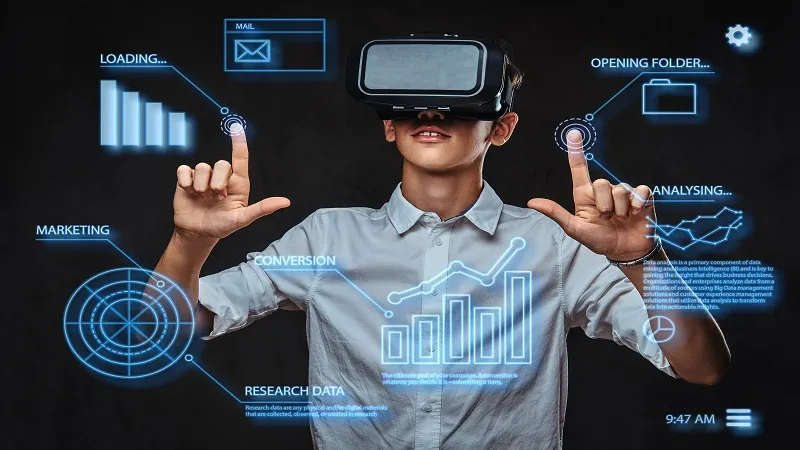
Technology has become one of the most important drivers of economic growth and business success. Every industry, from healthcare and education to finance and retail, now depends on digital tools to improve efficiency and provide better services. Businesses that adopt modern technology can reduce costs, improve productivity, and stay competitive in a rapidly changing world.
ftasiastock technology represents the growing interest in advanced digital solutions, smart business systems, and emerging innovations that influence today’s technology landscape. Understanding these developments helps professionals, business owners, students, and technology enthusiasts prepare for future opportunities.
This article explains the major technologies shaping modern businesses, their benefits, challenges, and future trends in a simple and informative way.
Understanding FTAsiaStock Technology
Technology continues to evolve at an incredible pace, changing how organizations operate and communicate. Companies are investing in digital transformation to improve customer experiences, automate routine work, and make better business decisions using data.
The concept of ftasiastock technology focuses on the growing influence of innovations such as artificial intelligence, cloud computing, cybersecurity, automation, blockchain, and data analytics. These technologies work together to create smarter and more efficient business environments.
Rather than replacing human workers, modern technology supports employees by reducing repetitive tasks, improving accuracy, and allowing teams to focus on creative and strategic work. This balance between human expertise and digital tools has become essential for long-term business success.
Why Technology Matters in Today’s World
Technology is no longer limited to large corporations. Small businesses, educational institutions, healthcare providers, and even individuals rely on digital tools every day. From online shopping to mobile banking and virtual meetings, technology has become part of everyday life.
Organizations that embrace innovation often gain a competitive advantage because they can respond more quickly to changing customer needs. Faster communication, better data analysis, and automated workflows help companies remain productive even during challenging economic conditions.
Digital transformation also creates new career opportunities. Professionals with skills in artificial intelligence, cybersecurity, cloud computing, and software development are increasingly in demand across many industries.
The Evolution of Modern Technology
Early Computing Systems
The first computers were large machines designed mainly for scientific calculations and government research. They required significant resources and were accessible to only a small number of organizations.
Over time, computers became smaller, faster, and more affordable. Personal computers revolutionized workplaces by making digital tools available to businesses and households around the world.
As computing power improved, software applications became more sophisticated, allowing users to perform complex tasks with greater speed and efficiency.
The Rise of the Internet
The internet transformed global communication by connecting people and businesses across different countries. Information became easier to access, and online services expanded rapidly.
Businesses began creating websites, offering online customer support, and selling products through digital platforms. Consumers gained access to information, entertainment, education, and financial services from almost anywhere.
The internet also encouraged collaboration between international teams, making remote work and global partnerships possible.
Mobile Technology Revolution
Smartphones changed the way people interact with technology. Mobile devices now allow users to manage finances, communicate instantly, shop online, navigate cities, and work remotely.
Businesses responded by developing mobile applications that improve customer convenience and strengthen brand loyalty. Mobile technology continues to expand with faster processors, better security, and advanced communication features.
Artificial Intelligence and Smart Automation
Artificial intelligence has become one of the most influential technologies of the modern era. AI systems analyze information, recognize patterns, and make predictions based on available data.
Many businesses use AI to automate customer service through chatbots, personalize marketing campaigns, detect fraud, and improve operational efficiency. AI also assists healthcare professionals by supporting medical research and improving diagnostic accuracy.
Another important advantage is automation. Repetitive administrative tasks that once required hours of manual work can now be completed automatically. This allows employees to spend more time solving complex problems and serving customers effectively.
Modern AI continues to improve through machine learning, where systems learn from experience and become more accurate over time.
Cloud Computing and Digital Infrastructure
Cloud computing has transformed the way organizations manage information and software. Instead of storing everything on physical servers, businesses can now access computing resources over the internet.
This approach reduces hardware costs while increasing flexibility. Employees can securely access files from different locations, making remote work much easier than in previous decades.
Cloud platforms also improve disaster recovery because important information is automatically backed up. If a local computer fails, valuable business data remains protected in secure cloud environments.
Scalable cloud infrastructure allows companies to increase or decrease resources based on demand, helping them manage expenses more efficiently.
Big Data and Business Intelligence
Modern organizations generate enormous amounts of data every day. Customer purchases, website visits, employee performance, inventory levels, and financial transactions all contribute to valuable business information.
Data analytics helps organizations transform this information into useful insights. Managers can identify customer preferences, monitor business performance, and make informed strategic decisions.
Predictive analytics goes one step further by forecasting future trends based on historical data. Businesses can prepare for changing market conditions, reduce risks, and improve long-term planning.
As organizations continue adopting ftasiastock technology, data-driven decision-making becomes increasingly important for sustainable growth.
Cybersecurity in the Digital Age
Cybersecurity has become one of the most important aspects of modern technology. As businesses increasingly store valuable information online, they also face growing risks from hackers, malware, phishing attacks, and ransomware. A single security breach can lead to financial losses, legal problems, and damage to a company’s reputation.
Organizations invest heavily in cybersecurity solutions to protect customer data, employee records, and confidential business information. Firewalls, antivirus software, encryption, and secure authentication systems work together to reduce security risks.
Employee awareness is equally important. Many cyberattacks begin with simple human mistakes, such as clicking suspicious email links or using weak passwords. Regular training helps employees recognize threats before they become serious problems.
As ftasiastock technology continues to evolve, cybersecurity will remain a top priority for businesses that rely on digital systems.
Blockchain Technology and Secure Transactions
Blockchain is a digital record-keeping system that stores information across multiple computers instead of a single central database. This structure makes records highly secure, transparent, and difficult to alter without authorization.
Although blockchain is widely known for supporting cryptocurrencies, its applications extend far beyond digital currencies. Businesses use blockchain to improve supply chain management, verify product authenticity, manage digital identities, and simplify financial transactions.
One major advantage is transparency. Every authorized participant can verify transactions, reducing fraud and increasing trust between organizations.
As blockchain technology matures, more industries are expected to adopt secure decentralized systems for managing sensitive information.
Internet of Things (IoT)
The Internet of Things, commonly known as IoT, connects everyday devices to the internet so they can collect and exchange information automatically. Smart homes, wearable fitness devices, connected vehicles, and industrial sensors are all examples of IoT technology.
Businesses use IoT devices to monitor equipment performance, improve manufacturing processes, and reduce maintenance costs. Real-time data allows organizations to detect problems before they become expensive failures.
Consumers also benefit from IoT through smart appliances, home security systems, and health-monitoring devices that improve convenience and safety.
The continued development of IoT will support smarter cities, intelligent transportation systems, and more efficient energy management.
5G Connectivity and Faster Communication
The introduction of 5G networks represents a major advancement in wireless communication. Compared with previous generations, 5G provides significantly faster internet speeds, lower latency, and greater network capacity.
These improvements support technologies such as virtual reality, autonomous vehicles, remote healthcare, and smart manufacturing. Businesses can transfer large amounts of data more quickly while improving communication between connected devices.
Remote workers also benefit from faster and more reliable internet connections, making video conferencing and cloud collaboration smoother than ever before.
The expansion of global 5G infrastructure will continue supporting innovation across numerous industries.
Robotics and Intelligent Automation
Robotics has transformed manufacturing, logistics, healthcare, and agriculture by performing repetitive tasks with high precision. Modern robots improve productivity while reducing workplace injuries and operational costs.
In manufacturing plants, robots assemble products with remarkable consistency. Warehouses use automated systems to organize inventory and speed up order fulfillment.
Healthcare organizations employ robotic technology during certain surgical procedures, allowing doctors to perform delicate operations with greater precision.
As automation becomes more advanced, robots will increasingly work alongside humans rather than replacing them entirely.
Technology in Healthcare
Healthcare has experienced remarkable improvements through digital innovation. Electronic medical records have replaced paper files, allowing healthcare professionals to access patient information more efficiently.
Artificial intelligence assists doctors by analyzing medical images, identifying disease patterns, and supporting faster diagnoses. Telemedicine enables patients to consult healthcare professionals remotely using secure video communication.
Wearable devices also help individuals monitor heart rate, physical activity, sleep quality, and other important health indicators.
These innovations improve patient care while helping healthcare providers deliver more efficient services.
Technology in Education
Education has changed dramatically because of digital learning platforms and online resources. Students can now access educational materials from virtually anywhere with an internet connection.
Virtual classrooms allow teachers to conduct lessons remotely while interactive learning software keeps students engaged through videos, quizzes, and collaborative activities.
Artificial intelligence also supports personalized learning by adapting lessons to individual student needs and learning speeds.
Educational technology helps improve accessibility, making learning opportunities available to a wider audience across the world.
Financial Technology (FinTech)
Financial technology, commonly known as FinTech, has transformed banking and financial services. Mobile banking, digital wallets, online payments, and automated investment platforms have made financial management faster and more convenient.
Banks use artificial intelligence to detect suspicious transactions, prevent fraud, and improve customer support through intelligent virtual assistants.
Consumers now expect secure, fast, and convenient financial services that are available around the clock. Businesses continue investing in digital payment systems to meet these expectations.
The rapid growth of ftasiastock technology reflects the increasing importance of financial innovation in today’s digital economy.
Benefits of Technology for Businesses
Modern businesses gain numerous advantages by adopting advanced technology solutions.
Some of the biggest benefits include:
- Increased productivity
- Better customer experiences
- Improved communication
- Reduced operating costs
- Faster decision-making
- Greater data accuracy
- Enhanced security
- Higher employee efficiency
Technology also allows organizations to expand into international markets while maintaining efficient operations across multiple locations.
Companies that embrace innovation often adapt more successfully to changing market conditions than those relying on outdated systems.
Challenges of Digital Transformation
Despite its many advantages, digital transformation also presents several challenges.
The cost of implementing new technology can be significant, especially for small businesses. Purchasing software, upgrading hardware, and training employees require considerable investment.
Cybersecurity risks continue increasing as organizations store more information online. Businesses must regularly update their security systems to protect sensitive data.
Employee resistance to change can also slow technology adoption. Organizations should provide ongoing education and support to help workers confidently use new digital tools.
Finally, compliance with privacy regulations requires businesses to carefully manage customer information while maintaining transparency and security.
Future Trends of FTAsiaStock Technology
Technology continues to evolve rapidly, and businesses must stay informed about emerging trends to remain competitive. Innovations that once seemed futuristic are becoming part of everyday business operations. Companies that embrace these changes early often gain a significant advantage over their competitors.
One of the most exciting developments is the increasing use of artificial intelligence across industries. AI is expected to become even more capable of handling complex decision-making, improving customer service, and supporting business planning. As computing power increases, AI systems will process information faster and provide more accurate insights.
Another major trend is the growth of sustainable technology. Organizations are investing in energy-efficient data centers, environmentally friendly manufacturing processes, and smart energy management systems. Sustainable innovation not only helps protect the environment but also reduces long-term operating costs.
The continued development of ftasiastock technology will likely encourage greater collaboration between businesses, technology providers, and researchers. This cooperation will accelerate innovation while creating smarter digital solutions for future challenges.
Best Practices for Adopting New Technology
Successful technology adoption requires careful planning rather than simply purchasing the latest software or hardware. Organizations should first identify their goals and determine how technology can support their business objectives.
Employee training is one of the most important factors for success. Even the best technology cannot deliver results if employees do not understand how to use it effectively. Regular workshops, online courses, and hands-on training sessions help workers build confidence with new systems.
Businesses should also prioritize cybersecurity from the beginning of every digital transformation project. Security measures should be integrated into software development, cloud infrastructure, and employee workflows to reduce potential risks.
Monitoring performance is equally important. Organizations should regularly evaluate whether new technology is improving productivity, customer satisfaction, and operational efficiency. Continuous improvement allows businesses to maximize the value of their technology investments.
The Importance of Continuous Innovation
Innovation is not a one-time achievement but an ongoing process. Customer expectations, market conditions, and technological capabilities continue to change, requiring businesses to adapt regularly.
Companies that encourage creativity among employees often discover better ways to improve products, services, and internal processes. Innovation can come from small improvements as well as major technological breakthroughs.
Research and development also play a critical role in long-term success. Organizations that invest in exploring new ideas are often better prepared for future challenges and opportunities.
As industries continue embracing ftasiastock technology, continuous innovation will remain essential for sustainable growth and global competitiveness.
Why Businesses Should Stay Updated
Keeping up with technological advancements helps organizations remain competitive in an increasingly digital economy. New software, automation tools, and communication platforms can significantly improve business performance.
Businesses that monitor industry trends can identify opportunities before their competitors. They can introduce new products, improve customer service, and respond more quickly to changing market demands.
Staying informed also helps organizations prepare for potential risks such as cybersecurity threats, regulatory changes, and evolving customer expectations.
Regular investment in employee education and technology upgrades ensures that businesses remain adaptable in a fast-changing world.
Conclusion
Technology has transformed nearly every aspect of modern life, from communication and education to healthcare, finance, and manufacturing. Businesses of all sizes now rely on digital tools to improve efficiency, reduce costs, and provide better customer experiences.
Throughout this guide, we explored how artificial intelligence, cloud computing, cybersecurity, blockchain, robotics, IoT, and data analytics are reshaping industries worldwide. These innovations enable organizations to automate routine tasks, make smarter decisions, and respond quickly to changing market conditions.
Understanding ftasiastock technology helps businesses and professionals appreciate the importance of digital transformation while preparing for future technological developments. Although challenges such as cybersecurity risks and implementation costs remain, the long-term benefits of adopting modern technology far outweigh these obstacles.
Organizations that embrace innovation, invest in employee skills, and continuously improve their digital capabilities will be better positioned for long-term success. As technology continues evolving, those willing to adapt and learn will lead the next generation of business growth and innovation.
Frequently Asked Questions (FAQs)
1. What is FTAsiaStock technology?
ftasiastock technology refers to modern technological innovations associated with digital transformation, artificial intelligence, cloud computing, cybersecurity, automation, and smart business solutions.
2. Why is technology important for businesses?
Technology helps businesses improve productivity, reduce operational costs, enhance customer experiences, automate repetitive tasks, and make informed decisions using real-time data.
3. What are the biggest technology trends today?
Some of the leading trends include artificial intelligence, machine learning, cloud computing, blockchain, cybersecurity, Internet of Things (IoT), robotics, and 5G connectivity.
4. How does cybersecurity protect businesses?
Cybersecurity safeguards business systems and sensitive information through encryption, firewalls, secure authentication, regular software updates, and employee awareness training.
5. What is the future of FTAsiaStock technology?
The future of ftasiastock technology includes smarter AI solutions, increased automation, sustainable computing, stronger cybersecurity, advanced cloud services, and wider adoption of intelligent digital systems across industries.