How much protein should I consume?” This is a very common question among many people. It is even more relevant when you know that nearly 75% of American adults have weight problems. The new lineup of weight loss drugs, such as semaglutide and tirzepatide (marketed under the names Ozempic, Wegovy, and Mounjaro), aids individuals with obesity in managing their caloric intake, which is usually reduced by 16-39%.
The drugs are wonderful for appetite management; however, they bring about a new nutritional issue: how to get enough nutrients on a low-calorie diet. The medications provide less food, but your body’s protein requirements do not decrease. That is why healthcare professionals advocate an intake of 20 to 30 grams of protein with each main meal. Protein is your best friend for many reasons: it helps you stay full for longer, preserves your muscle mass while losing weight, and is a stimulator for your recovery and immune system.
The protein requirement of a person who is not very active is 0.8 grams per kilogram of body weight. A physically active person would require more, approximately 1.1-1.5 grammes per kilogramme.
We’ve put up a thorough manual here explaining how to adjust your protein consumption with weight loss medicine. Besides calculating your individual protein requirements, you will also learn meal planning tips that you can easily follow. This manual illustrates to you how to obtain sufficient protein and, at the same time, enjoy the full benefits of your medication.
Why Protein Plays an Important Role in Weight Loss Medication
Appetite and muscle mass: the impact of GLP-1 drugs
GLP-1 drugs chemically alter how quickly your stomach empties and also change how your brain interprets hunger signals. This causes a significantly decreased appetite. The drugs can reduce your calorie intake by 16-40%, which results in weight loss. However, the downside is that research indicates that 25-40% of the weight loss may be from fat-free mass (such as muscles). A study shows that rapid weight loss is associated with 15-25% of lean muscle mass loss. A lot of patients report that they feel as if they are “losing muscle” while using these drugs. What patients experience is now confirmed by clinical evidence.
The significance of protein for lean tissue retention
Protein has a vital function in muscle protection during weight reduction. Even at rest, muscles still use energy and therefore, keeping them healthy not only maintains your metabolism but also your physical strength. Scientists origin proteining that people who eat more protein are less likely to suffer muscle loss in the initial phases of weight loss. They also recommend that you consume 60-80 grams of protein per day and do strength training twice a week to retain your muscles. Diets with 1.2-1.6g protein per kg daily support better appetite control and weight management.”
Common risks of low protein intake during weight loss
When you don’t consume enough protein while on weight loss medications, muscle loss can happen even faster. This is a huge problem because studies show only 43% of people on GLP-1 drugs achieve even a minimum protein intake of 1.2g/kg/day necessary for preserving their muscles (1.2g/kg/day) (1). Muscle loss negatively affects your metabolism, and thus, it will be even harder for you to maintain your weight loss over time. It also elevates the risk of cardiovascular diseases and makes life less enjoyable. Your body will start to use muscle tissue for energy if you don’t consume sufficient protein. This will lead to a vicious circle that will completely negate your weight loss efforts in the long run.
One of the absolute best ways to guarantee a healthy, consistent weight loss when you are on GLP-1 drugs is by meeting your protein needs.
How Much Protein Do You Need?
Once you are on weight loss medications, protein consumption should become a key point to be aware of. Proper protein intake can help offset muscle loss from weight loss medications, keeping your body fit and strong.
Using a protein calculator for weight loss
A very straightforward formula can be used for figuring out how much protein you require. If your weight is expressed in pounds, multiply it by 0.36; if expressed in kilogrammes, multiply it by 0.8. However, there are plenty of protein calculators available online that can provide you with more precise protein requirements based on your individual parameters. Food diary apps and nutrition labels are excellent tools for tracking your daily protein intake.
Recommended grams per kilogram of body weight
The usual Recommended Dietary Allowance (RDA) specifies that an individual should intake 0.8 gram of protein per kg. Daily this, however, only suffices to prevent deficiency and doesn’t point to the ideal situation when losing weight. In case you are on weight loss drugs, specialists recommend 1.0,1.5 g per kg per day. Some studies hint at 1.6 g/kg as the most effective amount.
Adjusting for age, activity, and medication use
We require more protein as we grow older. Seniors above 65 need 1.0,1.2 g/kg daily to keep muscle atrophy at bay. If you are doing exercise regularly, your protein intake should be 1.1,1.5 g/kg. Prescription medication users of GLP-1 are obliged to consume more protein 1.2,1.6 g/kg daily, in comparison with the rest. Certain severely ill patients may require protein at the level of 2.0 g/kg.
Signs you may not be getting enough protein
Being able to detect a protein deficiency at an early stage can be very beneficial. Some of the symptoms that indicate protein deficiency are dry hair and nails, frequent sickness due to low immunity, a craving for food all the time, plenty of fatigue, instability in mood, and physical weakness. Your body weight can also change, falling unexpectedly due to muscle catabolism or rising due to slower metabolism. In case you identify these symptoms while being on weight loss medications, you should consult your doctor about the modification of your protein consumption.
Smart ways to incorporate protein into your meals
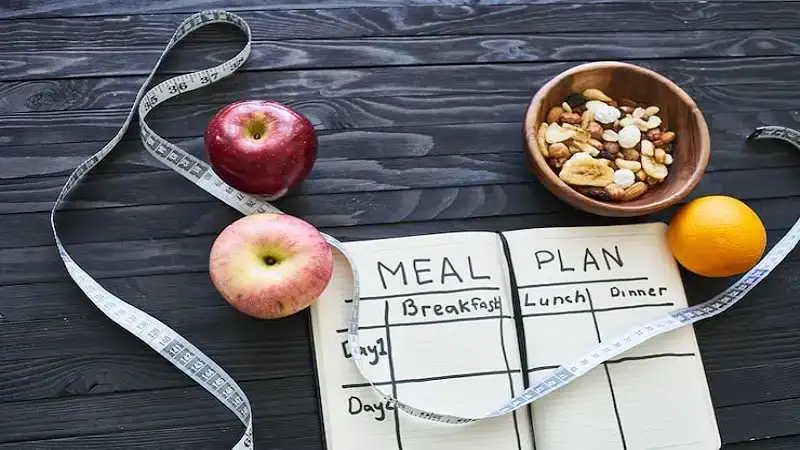
When your weight loss medication cuts down your appetite, it may be challenging to include enough protein in your diet. Fortunately, clever meal planning will let you consume enough protein even with reduced food intake.
Breakfast recipes packed with protein
According to studies, a protein-rich breakfast not only helps to stabilize your blood sugar but also reduces your hunger throughout the day. Here is a list of some excellent choices:
Greek yoghurt parfaits with berries and nuts pack 17g of protein. You will get 13g of protein from 2 eggs – scrambled, poached, or made into an omelette with vegetables. Overnight oats combined with protein powder, milk, and chia seeds provide 20g of protein. A cup of cottage cheese with fruit supplies you with 14g of protein
Lunch and dinner pair with 20,30g protein
The “core team” suggests a palm-sized portion of protein (roughly 30-40g) for main meals. Here are some combinations that will do the trick:
Chicken breast served with roasted vegetables and sweet potato. Grilled (salmon, cod, tilapia) with steamed greens and quinoa. One cup of cooked lentils combined with chopped vegetables, drizzled with olive oil dressing, can provide about 18g of protein. Chickpea spaghetti, accompanied by turkey meatballs, results in a satisfying, protein-rich dinner
Protein-rich snacks for small appetites
When you add medication to the mix, small yet protein-packed snacks are going to be very important:
One hard-boiled egg delivers six grams of protein. All the turkey roll-ups with cheese and vegetable combos you could ever want. Half a cup of roasted chickpeas contains 6 g of protein. Half a cup of Greek yoghurt with honey offers 14g of protein
Plant-based vs animal-based protein options
Research indicates that plant proteins may be more effective for weight management. These proteins also come with the added benefit of fibre, which helps to keep you feeling full for a longer period. Additionally, they usually have less saturated fat compared to animal proteins.
Fish, chicken and turkey are still excellent protein sources. The best results come from mixing both plant and animal proteins in your diet.
How to build a balanced plate with protein
Your plate should look like this:
- ¼ protein source (meat, fish, tofu, legumes)
- ½ non-starchy vegetables
- ¼ complex carbohydrates
Start with protein when you eat, especially if medication makes you feel full quickly. This way, you’ll get important nutrients before feeling satisfied.
Note that protein quality makes a difference. Choose minimally processed options whether they come from plants or animals.
Timing and Supplements: Getting the Most from Protein
Not only the amount but also the timing of your protein consumption has a significant impact on muscle preservation during weight loss.
Why protein distribution across meals matters
Having a large portion of your protein at dinner and almost none at breakfast will hurt your muscle preservation. Evidence has shown that it is more effective for muscle protein synthesis (MPS) over 24 hours if you distribute your protein intake in regular meals instead of eating most of it at dinner by about 25%. Muscle protein synthesis only happens for about three hours after you have eaten, and absorption peaks 45-90 minutes after meals. If you eat small portions of protein that are less than 30g at breakfast and lunch, you won’t be able to maximize your muscle growth physiology.
Best times to eat protein for muscle retention
Research shows that your muscles are especially receptive to protein within 60 minutes after workouts. Protein consumption at breakfast is one of the most effective ways to maintain muscle mass according to a few studies. A continuously high protein intake through regular meals can suffice for those who exercise for less than an hour. For vice versa, post-workout protein should be combined with a workout of longer duration.
When to consider protein shakes or powders
Protein supplements can be an excellent way for your body to get protein if:
- Your medications cause reduced appetite
- You don’t eat regularly because of feeling full or sick
- You need a rapid protein source post-exercise
- You’re falling short on your daily protein intakes
What to look for in a protein supplement
The ideal supplements should provide you with 20-30g of protein per serving, and also should contain less than 5g of sugar. Whey isolate frequently is the best choice if you want to use animal protein, but for plant-based alternatives, pea protein is excellent and very popular. If you experience stomach problems, begin with small quantities and see how you go. Also, keep in mind that supplements should complement, not substitute, whole food proteins. Whole foods contain a variety of nutrients that support your health while dieting.
- See Related: Why Every Home Needs a Swivel Armchair
Conclusion
Protein consumption alongside weight-loss drugs indeed complicates the situation uniquely. This article illustrates that protein becomes very important if you are on GLP-1 medications such as semaglutide and tirzepatide. Without ample protein, your body might end up breaking down precious muscle mass during weight loss, which will compromise your long-term success.
Adult weight-loss drug users require significantly more protein – from 1.2 to 1.6 grams per kilogramme daily. This protects the muscle tissue while the medication curbs your appetite. An evenly spread out protein intake throughout the day helps the body to preserve muscle better than overloading at dinner only.
When you plan your meals smartly, it helps a lot when your appetite is decreasing. Protein-packed breakfast kickstart your day in great style. Having the right assortments at lunch and dinner helps to fulfill the need of 20-30 grams per meal. Besides that, protein-packed snacks in between meals help fulfill daily requirements even if the medication makes you feel full.
The timing of protein intake is just as important as how much you consume. One can preserve muscle better by having protein within an hour after exercise; hence it is essential at breakfast and distributed throughout the day. Protein shakes can be used to fill nutritional gaps when your appetite is low, however, whole foods always work better.
You may buy Tirzepatide only at Cheapest Mounjaro UK Shop to be a part of your individualized weight loss plan. It is important to remember that green, lasting weight loss requires both efficient medication and proper nutrition with an emphasis on sufficient protein.
The dilemma of balancing a reduced appetite with nutritional needs can be very difficult at first. However, with suitable planning, this strategy becomes simpler. You don’t want to just lose weight; you want to have strong, healthy, and lasting results that preserve your strength and metabolism. When you consider protein as a priority along with your medication, then you are capable of achieving significant weight loss and at the same time retaining the muscle which supports your strong metabolism.