Lower back pain has a way of taking over your attention. It can make simple things, like getting out of bed, sitting at your desk, and tying your shoes, feel like a chore. Most people assume the issue starts and ends in the lower back itself. Tight muscles, a slipped disc, or maybe poor posture. Case closed.
But that assumption is often where things go wrong.
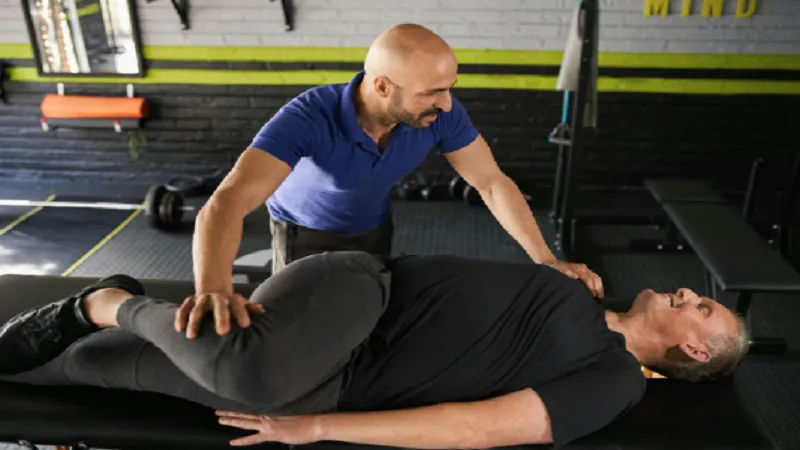
In reality, the lower back is more like a middleman than the root cause. It sits at the centre of a complex system involving your hips, core, spine, and even how you move through your day. When something else in that system isn’t working properly, the lower back often ends up taking the load. That’s why approaches like working with maternity chiropractors who regularly assess the entire body during physical changes tend to focus on broader movement patterns rather than just the painful area.
If you only treat the symptom, you risk missing the real issue entirely.
The Body Works as a Chain, Not Isolated Parts
It’s tempting to think of the body in segments. Back pain? Treat the back. Knee pain? Focus on the knee. But the body doesn’t operate that way.
Everything is connected.
Your lower back links your upper and lower body. It transfers force when you walk, stabilises you when you stand, and supports you when you lift, twist, or bend. Because of this, it’s often the area that compensates when something else isn’t pulling its weight.
For example, if your hips are stiff, your lower back will move more to make up for it. If your core isn’t providing enough stability, your lower back muscles will tighten to compensate. Over time, that extra workload can lead to discomfort or pain.
So while the pain shows up in your lower back, the problem might be coming from somewhere else entirely.
Tight Hips Are a Common Culprit
One of the biggest contributors to lower back pain is limited hip mobility.
Modern lifestyles don’t help. Sitting for long periods shortens the hip flexors and reduces the range of motion in the hips. When you then stand up, exercise, or even walk, your body still needs to move, but if the hips can’t do their job properly, the lower back steps in.
This creates a pattern where the lower back moves more than it should, especially during activities like bending or rotating. Over time, that extra movement leads to strain.
Improving hip mobility can often relieve lower back pain without directly treating the back itself. It’s a good example of how addressing the source, not just the symptom, makes a difference.
Your Core Might Not Be Doing Its Job
The word “core” gets thrown around a lot, usually in the context of abs or aesthetics. But functionally, your core is about stability.
A strong, well-coordinated core helps support the spine and distribute load evenly throughout the body. When it’s not working effectively, the lower back often picks up the slack.
This doesn’t always mean your core is “weak” in the traditional sense. Sometimes it’s about timing and coordination. The muscles might be there, but they’re not activating properly when you move.
The result? The lower back muscles tighten to create stability, leading to fatigue and discomfort.
This is why some people can do endless sit-ups and still have back pain. Strength alone isn’t the answer; function matters more.
Posture Is Only Part of the Story
Posture gets blamed for a lot, and while it plays a role, it’s rarely the full picture.
You can have “perfect” posture and still experience lower back pain. On the flip side, plenty of people with less-than-ideal posture feel fine.
The real issue isn’t posture itself; it’s how long you stay in one position.
Holding any position for extended periods, whether it’s sitting upright at a desk or slouching on the couch, creates stress in the body. The lower back, again, often takes the hit.
Movement is what keeps things balanced. Regularly changing positions, standing up, walking around, and varying your posture throughout the day can do more for your back than trying to sit perfectly still.
The Way You Move Matters More Than You Think
Daily movement patterns have a huge impact on lower back health.
How you bend down to pick something up. How do you get out of a chair? How you carry bags or twist your body. These small, repetitive actions add up over time.
If your movement patterns rely heavily on your lower back instead of distributing load through your hips and legs, you’re more likely to experience pain.
This is why two people can have the same job, the same routine, and very different outcomes. One moves efficiently and spreads the load across the body. The other overuses certain areas, often the lower back.
Learning how to move better isn’t about overthinking every action. It’s about building habits that allow your body to share the work more evenly.
Stress and Tension Play a Role Too
Not all lower back pain is purely physical.
Stress can show up in the body in subtle ways. Some people feel it in their shoulders or neck. Others feel it in their lower back.
When you’re stressed, your body tends to hold tension. Muscles tighten, breathing patterns change, and your nervous system stays on high alert. Over time, this can contribute to discomfort, especially in areas already under strain.
This doesn’t mean the pain is “in your head.” It’s very real, but it highlights how physical and mental factors are often intertwined.
Addressing stress, improving sleep, and giving your body time to recover can all influence how your back feels.
Why Local Treatment Isn’t Always Enough
When pain shows up in the lower back, it’s natural to focus all attention there, stretching it, massaging it, or trying to “loosen it up.”
Sometimes that helps. But if the underlying issue is coming from somewhere else, relief can be temporary.
This is why a broader approach tends to be more effective. Looking at how your hips move, how your core functions, how you sit and stand, and how you handle daily loads gives a clearer picture of what’s really going on.
It shifts the focus from chasing symptoms to understanding patterns.
A More Useful Way to Think About Back Pain
Instead of asking, “What’s wrong with my back?” a better question might be, “What is my back compensating for?”
That small shift in perspective changes everything.
It encourages you to look beyond the obvious, to consider how different parts of your body interact, and to address the root cause rather than just the outcome.
For some, that might mean improving mobility. For others, it could involve better movement habits, strengthening key areas, or simply moving more throughout the day.
The Takeaway
Lower back pain is incredibly common, but it’s also often misunderstood.
The discomfort you feel might not be coming from your back at all. It could be the result of tight hips, poor movement patterns, lack of core stability, prolonged sitting, or even accumulated stress.
The lower back is just where everything converges.
When you start looking at it as part of a larger system, rather than an isolated problem, the path forward becomes clearer. Instead of chasing quick fixes, you can focus on building a body that moves well, distributes load efficiently, and handles the demands of daily life with less strain.
And in many cases, that’s where real, lasting relief begins.