
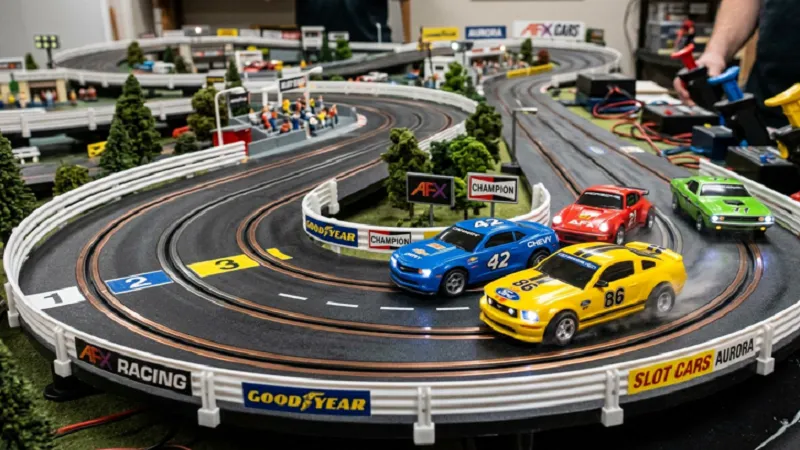
In today’s fast-paced digital world, hands-on hobbies that engage creativity and skill are more valuable than ever. Slot car racing, once a staple of family entertainment, has been making a notable comeback among enthusiasts of all ages. Combining strategy, precision, and nostalgia, it offers a unique interactive experience that no screen can replicate. Whether for collectors, hobbyists, or families looking for engaging weekend activities, the appeal of slot cars lies in their ability to deliver both fun and skill development. Amid the surge in tech-driven toys and digital gaming, traditional slot cars are holding their ground by offering tactile satisfaction, competition, and timeless enjoyment.
For hobbyists, the precision and control required to maneuver cars around intricate tracks present a rewarding challenge. Families appreciate the inclusive nature of the hobby, as it bridges generations and fosters quality bonding time. Collectors find value in rare and specialized pieces, which can hold both sentimental and monetary worth. As a result, the slot car industry continues to innovate while preserving the charm that has captivated enthusiasts for decades.
The Resurgence of Hands-On Hobbies
Slot cars are experiencing a renaissance as people increasingly seek hobbies that encourage focus and manual dexterity. Unlike passive screen-based activities, slot car racing demands strategic thinking, hand-eye coordination, and patience. This revival reflects a broader trend in entertainment: the shift toward tactile and social experiences that foster real-world engagement.
Enthusiasts are no longer limited to traditional setups; modular track designs and modern electronics now allow for customizable racing experiences. This flexibility attracts a wider audience, from casual players to serious hobbyists. With events, competitions, and online communities thriving, slot cars have moved from nostalgic relics to active participants in contemporary recreational culture.
For those entering the hobby today, beginner-friendly sets coexist with high-end collector models, offering scalable complexity. By blending traditional mechanics with modern enhancements, the slot car market continues to appeal to diverse demographics, proving that hands-on hobbies remain relevant and rewarding.
Collectibility and Expert Craftsmanship
One of the most compelling aspects of slot cars is their collectible value. Many enthusiasts focus on limited edition models or historically significant designs, turning their passion into curated collections. The craftsmanship involved in these cars’ detailed designs, precise engineering, and performance optimization makes them not only functional but also aesthetically appealing.
Collectible slot cars often feature intricate paintwork, realistic features, and specialized components that elevate them beyond mere toys. This dedication to detail encourages knowledge-sharing within the hobbyist community, as enthusiasts discuss tuning techniques, track setups, and rare finds. As a result, the hobby fosters both appreciation for technical skill and a sense of community.
For families and hobbyists alike, collectible slot cars provide an ongoing challenge and sense of accomplishment. Over time, participants can expand their collections, improve racing skills, and even explore advanced modifications to enhance performance.
Modern Innovations in Slot Car Racing
The resurgence of slot cars isn’t just nostalgia; it’s also fueled by modern innovations. Advances in track design, car technology, and electronic controls have transformed the experience, making it more dynamic and accessible. Features such as adjustable speed controllers, interchangeable track components, and digital lap tracking have broadened the appeal.
These upgrades allow for competitive racing environments where skill, rather than luck, dictates the outcome. Enthusiasts can experiment with different setups, fine-tune performance, and compete with precision. Such innovations ensure that slot cars remain relevant in an era dominated by high-tech entertainment options, providing a blend of classic charm and modern functionality.
For newcomers and seasoned hobbyists alike, the evolving technology enhances engagement and keeps the hobby fresh, encouraging repeated participation and mastery over time.
Engaging Families and Building Skills
Beyond entertainment, slot cars offer developmental benefits, particularly for younger participants. The hobby promotes hand-eye coordination, spatial awareness, and problem-solving. It also encourages patience and focus, as successful racing requires careful planning and practice.
Family-friendly slot car sets enable multiple players to participate simultaneously, fostering collaboration, friendly competition, and communication. Parents can guide children through track assembly, car maintenance, and racing strategies, creating shared experiences that strengthen relationships.
For those looking to introduce a new hobby at home, exploring options such as AFX slot cars can provide a balanced combination of excitement and skill-building. These sets are designed to appeal to a broad range of ages and skill levels, ensuring an engaging, hands-on activity that can be enjoyed repeatedly.
Conclusion: The Enduring Value of Slot Car Racing
Slot cars represent more than just a pastime; they embody the enduring value of hands-on, engaging hobbies that blend creativity, strategy, and social interaction. From collectors seeking rare models to families looking for interactive fun, the hobby offers layers of enjoyment and learning opportunities.
As the market continues to innovate, combining modern technology with classic design, slot car racing is poised to remain a favorite hobby for generations to come. Whether used for friendly competition, skill development, or nostalgia, slot cars provide a tangible, rewarding experience that transcends digital entertainment. Engaging with this hobby today ensures access to a timeless activity that challenges the mind, fosters community, and delivers lasting enjoyment.