
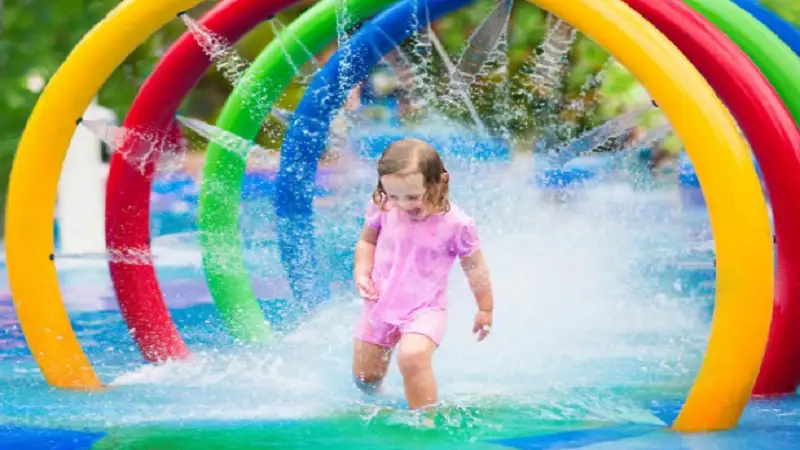
Spray parks have become a favorite community feature for families seeking safe and inclusive outdoor fun. For municipalities planning a new water play area, understanding the essentials of spray park equipment is key to creating a space that promotes enjoyment, sustainability, and long-term value.
Understanding the Basics of Spray Park Design
Spray parks differ from traditional pools because they rely on interactive water features rather than standing water. This design minimizes drowning risks and reduces maintenance demands. The layout and type of equipment determine how users of different ages experience the space.
When planning, municipalities often consider three zones: a toddler-friendly area with gentle sprays, an intermediate zone with moderate water flow, and an action zone featuring dynamic jets and larger structures. Organizing these zones ensures safety and inclusivity for all visitors.
Types of Spray Park Equipment
Modern spray park systems include a wide range of features designed to spark creativity and movement. The choice of materials, water flow patterns, and interactive elements should align with the community’s goals and environmental conditions.
- Ground sprays that produce gentle arches or mists
- Above-ground structures, such as dumping buckets or water cannons
- Interactive elements that respond to motion or touch
- Themed features that create a cohesive visual identity
Durability and water efficiency are essential when selecting components. Stainless steel and UV-resistant plastics are common materials that withstand heavy use and varying weather conditions.
Water Management and Sustainability
Efficient water management is a major consideration in spray park design. Many systems use recirculating water filtered through advanced treatment units to maintain cleanliness and reduce waste. Others rely on flow-through systems that use fresh water but may increase operating costs.
Incorporating smart controls allows municipalities to adjust water pressure and timing, conserving resources during low-use periods. Some communities also integrate rainwater harvesting or solar-powered pumps to enhance sustainability.
Safety, Accessibility, and Compliance
Safety standards for spray parks include non-slip surfaces, proper drainage, and clear separation between play zones. Equipment should comply with regional health and building codes, ensuring user protection and long-term reliability.
Accessibility is equally important. Features should accommodate children of varying abilities through ground-level sprays, tactile elements, and sensory-friendly designs. Thoughtful planning promotes inclusion and reinforces the park’s role as a shared community space.
Funding and Support for Community Projects
Securing funding is often one of the biggest challenges in developing new recreation facilities. Municipalities can explore various sources, including playground equipment grants, which help offset costs associated with design, installation, and materials.
These programs may be available through local or regional organizations that encourage healthy, outdoor play. Grant applications typically emphasize community engagement, long-term maintenance planning, and environmental responsibility.
Maintenance and Long-Term Planning
Once installed, a spray park requires regular upkeep to maintain performance and safety. Routine inspections, water quality testing, and equipment servicing should be scheduled throughout the operating season.
Municipal staff can benefit from training on system operation and troubleshooting. Investing in quality components and consistent maintenance ensures the park remains a valued attraction for years to come.
Building a Lasting Community Asset
Well-planned spray parks encourage physical activity, social interaction, and outdoor learning. By selecting reliable spray park equipment, prioritizing safety, and pursuing sustainable funding, municipalities can create spaces that enrich daily life and strengthen community connections.