This is the case as young athletes are training more than ever and playing earlier. Since school teams are moving to competitive leagues, the physical demands of children and teenagers are only increasing. Sports are useful in enhancing strength, discipline, and confidence, but they also expose one to injuries. This is why sports physiotherapy for young athletes becomes a key factor in safeguarding their health and in contributing to their performance in the long-term.
The Growing Physical Demands on Young Athletes
A lot of sports youths engage in several sports during the year. Repeated stress on developing muscles and joints can be placed on practices, tournaments, strength training, and personal coaching. Children and teenagers are more susceptible to overuse injuries than adults since they are still in the process of development.
Common issues include:
- Sprains and strains
- Growth plate injuries
- Tendonitis
- Pain in the knee, like the Osgood-Schlatter disease.
- Ankle instability
These conditions may deteriorate without appropriate treatment, and may even impact the performance in sports or even the long term health of the joints. Early intervention plays a crucial role in making sure the recovery process is safe and carried out.
Preventing Injuries Before They Happen
The prevention of injury is one of the largest reasons why young athletes require physiotherapy. A great number of sports injuries take place due to the imbalance of the muscles, improper movement pattern or training methods. A physiotherapist is able to determine the way a young athlete runs, jumps, lands, and changes direction.
By scrutiny of the movements, they can determine:
- Weak muscle groups
- Limited mobility
- Poor posture or alignment
- Asymmetry of the right and left sides.
Based on these results, a personalised exercise program is designed to enhance strength, flexibility, coordination, and stability. This is a preventive strategy that will aid in minimising the possibility of injury as well as enhancing the general performance of the athletes.
Supporting Safe Recovery from Sports Injuries
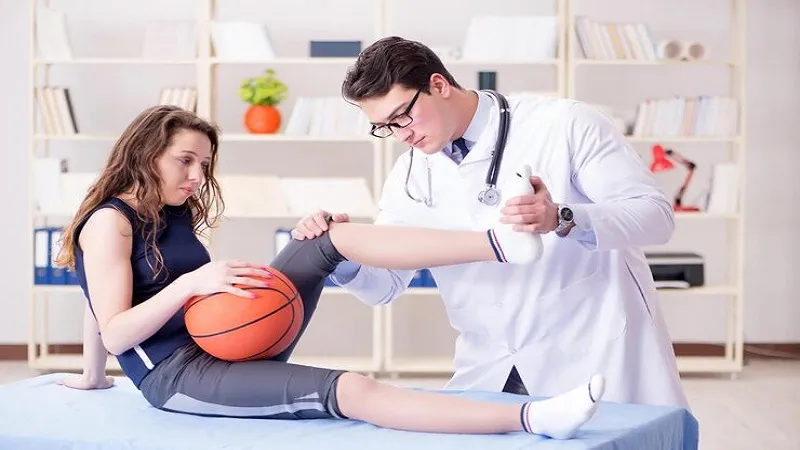
In case injuries occur, rehabilitation is important. Coming back to sport too soon may result in re-injury or chronic pain. Professional sports physiotherapy of young athletes involves a gradual and safe recovery based on a gradual plan.
Rehabilitation may involve:
- Hands-on manual therapy
- Specific strengthening activities.
- Balance and coordination activities.
- Sport-specific training
This is not only to alleviate pain but to heal the body to its full functionality. The physiotherapists make sure that the athlete is fit to resume their strength, flexibility, and confidence before they resume their competition. This minimises the risks of injuries in the future as well as aiding the development of athletics in the long term.
Improving Performance Through Proper Movement
The injured athletes are not the only ones who can receive physiotherapy. It is a performance-enhancing drug that is used by many young players. Improved core muscles, mobility, and biomechanics can be a significant factor in speed, agility, and endurance.
As an example, the sprint speed may be increased, and the amount of stress on the knees and hips can be reduced by correcting the running mechanics. Shoulder stability can be improved to increase the strength of throws in baseball or the precision of basketball shots. Minor changes in buoyancy and body condition exercises can bring some observable changes in performance.
When athletes specialise in appropriate movement patterns when they are young, they develop a solid base, which helps them in their sporting career.
Promoting Long-Term Athletic Development
Athletes who are still young have yet to develop in every aspect. The burnout and fatigue, as well as repeated injuries, may occur because of overtraining or bad conditioning. Sports physiotherapy assists in the direction of healthy training and contributes to the long-term development of an athlete.
Physiotherapists collaborate with athletes, parents, and coaches to:
- Monitor training loads
- Address pain early
- Promote adequate warming up and rest processes.
- Establish strength programs on an age basis.
This joint effort makes sure that young athletes find pleasure in the sport they are participating in as they develop safely.
- See Related: Worried About Basement Flooding in Cambridge? Here’s How to Actually Protect Your Home in 2026
Conclusion
The modern athletes are more than ever before, under greater pressure and under more rigorous training. Despite the above advantages of sports, there are dangers associated with them. Sports physiotherapy offers the necessary assistance in the form of injury prevention, safe recovery, performance improvement, and long-term growth.
The focus on movement patterns will assist young athletes by preventing and treating them early in their lives and enabling them to continue to be healthy, positive, and capable of performing at their best today and in the future.