
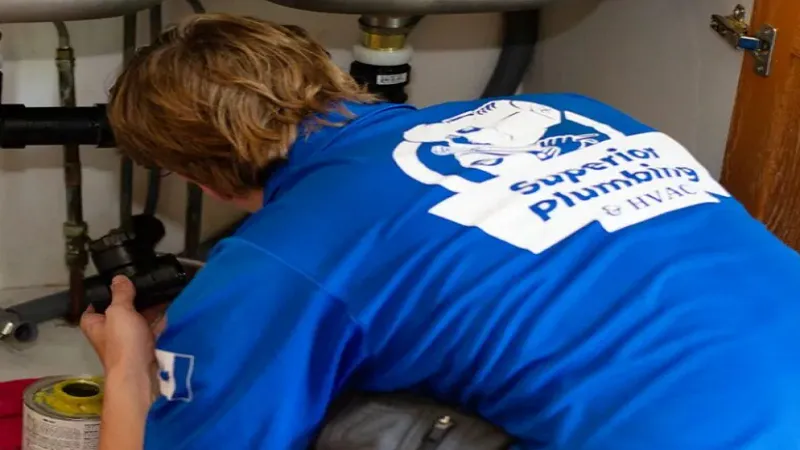
A flooded basement not only amounts to a clutter, but also a hazard to your foundation and a cause of serious property damage. The old buildings of Cambridge, Ontario, where the old frameworks are costing with the increase of the Grand and Speed Rivers, require a strong plumbing system to sustain long-term ownership of the home.
Cambridge: A Unique Flooding Landscape.
The homeowners of the Region are facing a multifaceted set of issues that are imposed by the geography of the Region. In the spring thaw, the Grand and Speed Rivers meet and, in many cases, cause the waters to rise dramatically, straining the residential drainage systems in pockets along the river.
Cambridge is a metropolis of different periods of infrastructure. Older cores that have eventually developed drainage systems cannot always handle the sheer amount of the present-day rain, particularly in recent decades, when the intensity of rainfall in Southern Ontario has risen by approximately 3040 percent. In the meantime, more recent subdivisions (occasionally constructed in places naturally high in water table) make very heavy use of mechanical means to ensure that foundations remain dry. The data available in the industry demonstrates that more than 60 percent of residential flooding cases in basement is attributed to overflow of sewage, broken sump pumps, or groundwater pressure, and not necessarily river overflows.
Early Warning Signs Your Home is at Risk
Proactive maintenance starts with recognizing the “symptoms” before the water rises:
- Persistent Musty Odors: If your basement smells damp, moisture is likely trapped in porous materials like drywall or insulation. If left unaddressed, this can lead to mold growth within 24,48 hours.
- Foundation Cracks: Distinguishing between cosmetic hairline cracks and structural fissures is vital. Widening cracks often indicate that hydrostatic pressure from saturated soil is pushing against your foundation.
- Short-Cycling Sump Pump: If your pump activates every few minutes during light rain, it suggests your basin is filling too rapidly, or a check valve is failing, placing extreme mechanical fatigue on the motor.
- Slow Drains or Gurgling: Sluggish drainage in floor traps often indicates that the municipal sewer capacity is being tested or your lateral line has an obstruction.
Tip: If you notice any of these signs, don’t wait. Consult a Cambridge plumber specialist for sump pump installation & replacement, battery backup system setup, backwater valve installation, and leak detector integration
Most Common Basement Flooding Scenarios in Cambridge Homes
Understanding how water enters a home is key to stopping it. In our region, we typically see four primary scenarios:
- Spring Snowmelt + Frozen Ground: When surface snow melts rapidly while the ground is still frozen, water cannot soak into the earth. It pools against foundation walls and finds its way through window wells or gaps.
- Overwhelmed Municipal Systems: Intense downpours can push municipal storm and sanitary systems to their limit. Without a backwater valve, the excess volume may back up into residential floor drains.
- Power Outages: Heavy storms often cause localized power failures. If you rely on a single plug-in sump pump without a secondary power source, your basement is left undefended.
- Aging Weeping Tiles: In many older Cambridge homes, the “weeping tile” (the perimeter drainage pipe around your foundation) can collapse or become clogged with silt over decades, leading to seepage through the floor slab.
Essential Systems for Layered Flood Protection
While no system can offer a “99% guarantee” against extreme natural disasters, a layered approach significantly reduces your risk profile:
- Submersible Sump Pumps with Battery Backup: Unlike pedestal pumps, submersible units are housed inside the pit, making them quieter and more efficient. A battery backup isn’t a luxury; it provides critical protection during outages for several hours or longer, depending on the demand and battery capacity.
- Backwater Valve (Sewer Backup Protection): This device is installed on your main sewer line. It features a gate that closes if sewage begins to flow backward from the city’s main sewer. While designs vary (such as flapper or “normally open” gates), their purpose is to prevent the municipal system from venting into your home.
- Smart Leak Detectors: Systems like Moen Flo monitor water pressure 24/7. They don’t replace mechanical protection but complement it by alerting you to internal pipe failures via your smartphone.
Why Professional Installation Matters
Basement waterproofing is an exacting science. A professional installation ensures:
- Code Compliance: Correct pitch and placement are vital for valves and pumps to function under pressure.
- Insurance & Documentation: Requirements vary by insurer, but many ask for documentation or proof of code-compliant installation to honor flood-related claims.
- Permits: We handle the necessary City of Cambridge permits and inspections, ensuring your property value is protected.
At Superior Plumbing & Heating, we don’t just “swap parts.” A local plumber checks the mechanical health of your entire drainage system, from the discharge lines to the sump basin integrity, to ensure your defense layers are ready for the next Waterloo Region storm.
- See Related: Construction Callouts from The Tech Pack Designer
FAQ: Flood Protection Basics
What is the cost of installing a backwater valve?
Prices will generally start at about $1,500 and will vary depending on the depth of your sewer line and the amount of work involved in the concrete jobs.
Does my house have a permit for a sump pump?
Most of the significant alterations done to your drainage or sewer line will need a permit issued by the municipality to guarantee that the job will be done to specifications.
What is the duration of an installation?
A majority of the flood protection upgrades, such as replacements of sump pumps and installation of backwater valves, can be accomplished in one day.
Are there rebates on these systems?
Subsidies for flood protection are commonly provided by the municipalities. Also, the current City of Cambridge or Region of Waterloo websites should be checked to get rebate programs.
What am I supposed to understand by knowing whether my home is at high risk or not?
An inspection of the foundation drainage, sump system, and sewer connection by a Cambridge plumber will check the weak points prior to breakdown.
A multi-layered defense of the region with its specific environmental dangers needs to be proactive and built to create a resilient home in Cambridge. Professional sump pump installation, coupled with the addition of backwater valve installation, will go a long way in alleviating the risk of structural damage and expensive restoration. These are some of the steps to take today to make sure that in the next seasonal thaw or a fierce summer storm, your property will be secured.