
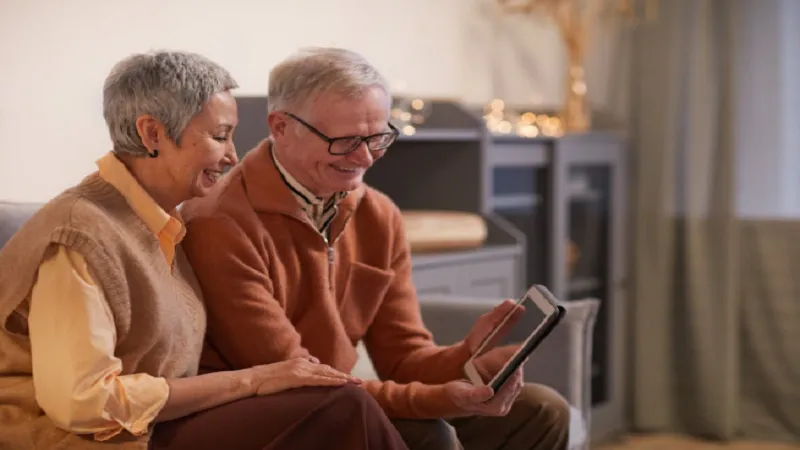
Older adults consider their ability to live independently at home as one of their primary objectives. This is possible through establishing their daily activities through places they feel attached to. It strengthens their emotional state and enables them to take on their daily activities. Purposeful home changes, together with their daily activities, will enable seniors to stay independent.
Seniors need support from their families and caregivers to maintain their independence, which requires both planning and problem resolution. The following five methods will give seniors maximum independence, which allows them to manage their home environment.
Making the Home Safe
Seniors require a secure home space that enables them to move freely throughout their house because this enables them to age in place successfully. Home modifications that show careful consideration will protect senior citizens from falling accidents. This includes fixing the lighting, making spaces clear, and installing anti-slip floors.
The two most dangerous places in residential buildings are bathrooms and staircases. The installation of solid handrails that people can grab while they use bathroom facilities will help them maintain balance during standing and seated positions.
Stay Physically Active
Seniors become more efficient through better strength training, balance training, and flexibility training, which increases their physical abilities. The abilities developed through these activities support people in their daily activities, which include both walking and stair climbing. The program should include light strength exercises and stretching activities. Mindfulness practices are also critical.
Exercise plans enable older adults to discover how to improve movement through secure and consistent training sessions. Balance exercises, gentle aerobics, and chair-based workouts help people develop stability and coordination skills. These activities reduce fall risks while increasing confidence levels during the execution of daily activities.
It is also important for seniors to pace themselves and give their bodies enough time to recover between activities. Understanding how body recovery works and regains energy can help older adults build strength, flexibility, and endurance gradually through a balanced routine that combines regular movement with proper rest, reducing the risk of strain or injury.
Maintain Social Connections
Social interaction enables people to stay autonomous in their daily living. Social bonds through connections with others will motivate elderly individuals to stay active for their entire lifetime. Seniors develop social connections through their relationships, which help reduce their feelings of loneliness while they build stronger emotional ties.
Elderly individuals use telephone calls, community events, and family visits to stay connected with their loved ones. People will establish strong social relationships in their communities through participation in local organizations like clubs, faith groups, and volunteer opportunities.
Use Technology for Support
The modern technological advancements enable people to live independently at home while experiencing complete safety. Medical alert systems serve as emergency calling technology that older adults can use to request medical assistance. The technology enables users to reach emergency responders directly without needing to involve other people.
Users can access immediate information, regulate light systems, and set medicine alarms via voice assistants. Video doorbells and security cameras improve the safety of a home since they let occupants control their home security system.
Plan for Health and Daily Care
A senior’s ability to gain independence depends on their skills to perform self-care activities and personal care tasks. The regular check-ups help to evaluate a person’s health status. Physicians can use this system to start preventive health measures, which will solve potential health issues before they affect the person’s normal life.
Organizational tools and reminder systems help older adults handle their medication schedules according to the doctor’s instructions. The establishment of daily meal planning and exercise scheduling, together with rest period management, creates a structured framework that will guide daily activities.
Endnote
Seniors who want to maintain their home independence have to assess their health demands and security needs as well as their everyday activities. Combining their lifestyle adjustments with the correct equipment for housework helps older adults to better handle their domestic duties. These continuous self-management efforts will enable them to gain control over their home life while meeting their needs for personal freedom and respect.