

Raising happy and confident children is not about being a perfect parent. It is about creating a home where children feel safe, respected, encouraged, and understood. Everyday experiences, including family conversations, playtime, routines, and problem-solving, help shape how children understand themselves and interact with others.
Parents often look for practical ways to improve their children’s confidence without becoming overly strict or allowing every behavior. The most helpful approach combines affection with clear boundaries. Children need freedom to explore, but they also need guidance, dependable routines, and adults who listen when something goes wrong.
Chelsea FamousParenting is a useful search topic for exploring these parenting ideas. However, it should not be confused with a formally recognized psychological theory or a verified parenting program. The practical recommendations in this article are based on established child-development guidance from organizations such as UNICEF, the Centers for Disease Control and Prevention, and the American Academy of Pediatrics.
Understanding What Children Need to Feel Happy and Confident
Children develop confidence when they experience encouragement, security, and opportunities to learn. They need to know that their parents care about them even when they make mistakes or struggle with something new.
Confidence does not mean that a child is always outgoing, independent, or comfortable speaking in front of others. A quiet child can be confident, just as an energetic child can sometimes feel uncertain. Confidence means gradually developing trust in personal abilities and learning to handle everyday challenges.
Parents can encourage this development by accepting children’s individual personalities. Comparing siblings or classmates can make children feel that their efforts are never enough. Instead, parents should recognize personal progress and help children appreciate their own strengths.
A supportive family environment also gives children the freedom to ask questions, express opinions, and discuss difficult experiences without expecting immediate criticism.
Build Strong Communication Through Everyday Conversations

Communication is one of the most important parts of a healthy parent-child relationship. Children need opportunities to explain what they think and feel. Parents who listen carefully can better understand their children’s concerns and respond appropriately.
Active listening means giving a child attention instead of immediately correcting, interrupting, or offering solutions. For example, when a child describes a disagreement at school, a parent can first ask what happened and how the situation made them feel.
Simple questions such as “What was difficult about today?” or “How did you feel when that happened?” can encourage meaningful conversations.
UNICEF recommends using clear language, listening actively, recognizing children’s feelings, and paying attention to nonverbal communication. These habits help children feel understood and learn how to communicate respectfully with others.
Parents should also consider their tone of voice. A reasonable message can sound threatening when delivered through shouting or sarcasm. Calm communication makes it easier for children to understand instructions and discuss mistakes.
Encourage Independence Through Age-Appropriate Responsibilities
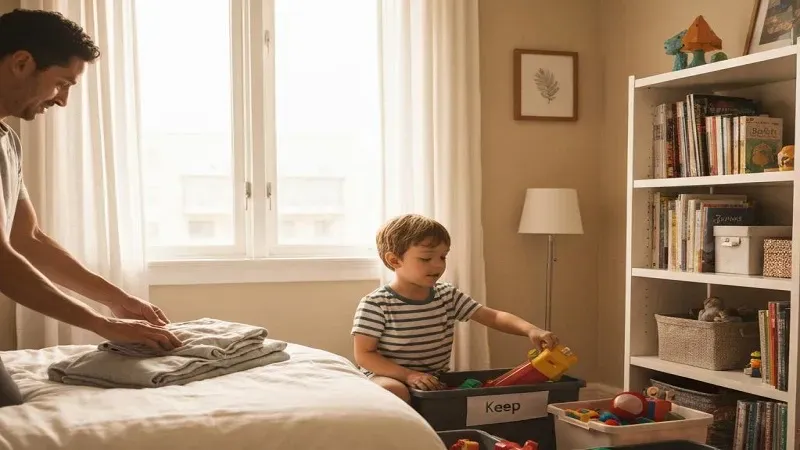
Independence develops gradually. Children should have opportunities to complete manageable tasks rather than depending on adults for every decision.
Young children might put away toys, choose between two suitable outfits, or help arrange their books. School-age children can organize school supplies, prepare simple snacks with appropriate supervision, and manage small household responsibilities.
Teenagers may benefit from greater responsibility for managing their schedules, completing assignments, and making everyday decisions.
The purpose is not to make children responsible for adult problems. It is to help them develop practical skills and understand that their choices have consequences.
When a child struggles with a task, parents can offer guidance without taking control immediately. Allowing children to try again teaches persistence and gives them experience in solving problems.
Use Positive Discipline Instead of Fear
Discipline should teach children how to behave responsibly, not make them afraid of their parents. Children need clear expectations and consistent consequences, but they also need to understand why certain behaviors are unacceptable.
For example, if a child repeatedly leaves toys on the floor, a parent can explain that toys need to be stored safely after playtime. If the child refuses, a reasonable consequence might be putting the toys away temporarily until the cleanup responsibility is completed.
The important part is consistency. Rules should be understandable, realistic, and appropriate for the child’s age.
The American Academy of Pediatrics recommends positive discipline strategies, including setting limits, modeling appropriate behavior, and using constructive consequences. Its guidance also advises against physical punishment and verbal humiliation.
Parents do not need to respond perfectly to every difficult moment. They should focus on remaining respectful, correcting behavior, and helping children understand better choices.
Help Children Recognize and Manage Their Emotions
Emotional development is an important part of growing up. Children experience happiness, frustration, jealousy, disappointment, fear, and excitement, but they may not always know how to express these feelings.
Parents can help by naming emotions and showing children that feelings are normal. For instance, a parent might say, “I understand that you feel disappointed because you wanted to keep playing.”
This response recognizes the emotion without suggesting that every reaction is acceptable.
Children should learn that being angry is normal, but hitting someone or damaging property is not an appropriate way to express anger.
Parents can introduce simple calming techniques, such as taking slow breaths, drinking water, sitting somewhere quiet, or talking about the problem after emotions become less intense.
Older children can also learn to identify situations that trigger frustration and think about different ways to respond.
These skills develop with practice. A child who struggles to manage emotions today may gradually become better at recognizing feelings and choosing appropriate responses.
Make Family Time a Regular Priority
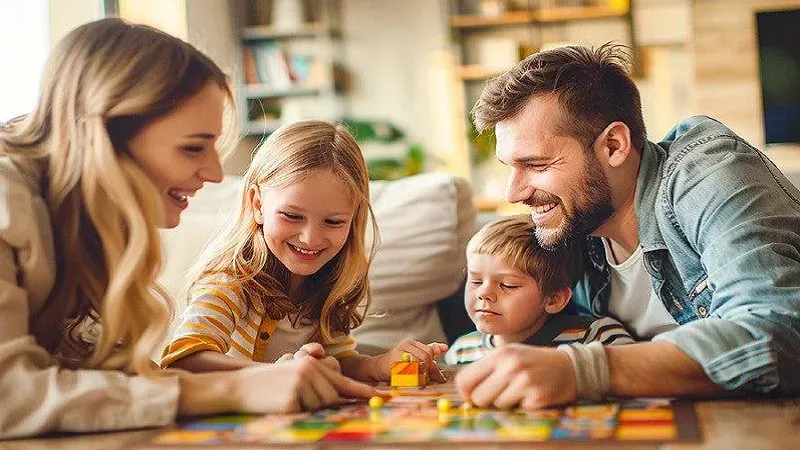
Quality family time does not require expensive activities, complicated schedules, or special occasions. Small shared experiences can create meaningful connections.
Parents can read stories, prepare meals together, take short walks, play board games, or discuss something interesting that happened during the day.
The important factor is giving children genuine attention. Regularly checking a phone or interrupting conversations can make family time feel less meaningful.
One practical idea is to establish a short period each day when family members put away distractions and focus on talking or doing an activity together.
Family traditions can also create a sense of belonging. A weekly movie night, shared breakfast, or evening storytelling session gives children something familiar to enjoy.
These activities should remain flexible. Families have different schedules, financial circumstances, and responsibilities. Consistency and genuine connection matter more than the activity itself.
Support Learning Without Creating Unnecessary Pressure
Education is important, but children should not feel that their value depends entirely on school performance.
Parents can support learning by showing interest in what children are studying and helping them develop realistic routines. A quiet study space, manageable homework periods, and sufficient breaks can make school responsibilities easier to handle.
Instead of focusing only on grades, parents should recognize effort, improvement, curiosity, and problem-solving.
For example, when a child struggles with mathematics, saying “You worked through a difficult question and tried a different method” recognizes the learning process.
Children should also have time for hobbies, creative activities, outdoor play, and rest. These experiences allow them to explore interests beyond academic work.
If a child experiences persistent learning difficulties, parents should communicate with teachers and consider professional guidance when appropriate.
Create Healthy Routines for Sleep, Nutrition, and Physical Activity

Children need healthy daily habits to support their physical and emotional development. Regular sleep, balanced meals, movement, and appropriate screen habits can help establish a more predictable lifestyle.
Parents should create routines that suit their children’s ages and family circumstances.
A consistent bedtime can make evenings more manageable. Children may benefit from quiet activities before sleep, such as reading or preparing school materials for the next morning.
Nutritious meals should include a variety of foods suitable for the child’s age and dietary needs. Involving children in choosing healthy snacks or helping prepare meals can make them more interested in everyday nutrition.
Physical activity does not always mean organized sports. Walking, cycling, dancing, playing outside, and active games can all provide opportunities for movement.
Parents should avoid turning healthy routines into constant arguments. Gentle reminders, reasonable expectations, and positive examples are usually more constructive than criticism.
Teach Respect, Kindness, and Responsibility
Children learn social behavior through observation and everyday experiences. Parents have an important opportunity to demonstrate how people should treat one another.
Simple actions such as listening without interrupting, apologizing after a mistake, respecting personal boundaries, and helping others provide practical examples.
Parents can also encourage children to share, cooperate, and consider different perspectives. However, these skills take time to develop, particularly in younger children.
It is helpful to explain why kindness matters rather than demanding polite behavior without explanation.
For example, if a child excludes another child from a game, a parent can discuss how exclusion might make someone feel and encourage a more welcoming approach.
Responsibility should also be taught without excessive pressure. Children can learn to care for their belongings, complete suitable chores, and acknowledge their mistakes.
These lessons prepare children to build healthier friendships and participate positively in their communities.
Allow Children to Make Mistakes and Learn From Them
Mistakes are a normal part of childhood. Children learn through trying new activities, making decisions, and discovering that some approaches do not work.
Parents sometimes step in too quickly because they want to protect children from disappointment. However, removing every challenge can prevent children from developing problem-solving skills.
A better approach is to provide support while allowing children to participate in finding solutions.
If a child forgets a school item, parents can discuss how to prepare a checklist for the next day. If a child loses a game, parents can acknowledge the disappointment and discuss what they enjoyed or learned.
This approach teaches children that failure is not a permanent judgment of their abilities.
The goal is not to ignore serious problems or leave children without help. It is to give them manageable opportunities to practice decision-making while maintaining appropriate adult supervision.
Adapt Parenting to Each Child’s Personality
Every child has different interests, communication styles, abilities, and developmental needs. A strategy that works well for one child may not work equally well for another.
Some children enjoy group activities, while others prefer quieter experiences. Some communicate openly, while others need more time before discussing personal concerns.
Parents should observe these differences instead of expecting every child to behave in the same way.
The ideas associated with Chelsea FamousParenting can be explored through this broader understanding of positive parenting, but no single formula can address every family’s needs.
For example, a shy child might benefit from gradual opportunities to participate in social activities rather than being forced into unfamiliar situations. A highly energetic child may need regular movement and clear expectations about safe behavior.
Parents should also recognize when ordinary parenting strategies are not enough. Persistent emotional distress, developmental concerns, or major changes in behavior may require advice from a qualified healthcare or child-development professional.
What Parents Can Start Doing Today
Improving family relationships does not require changing every household rule at once. Small, realistic adjustments are easier to maintain.
Parents can begin by listening more carefully during conversations, offering children age-appropriate responsibilities, and recognizing effort instead of focusing only on results.
They can also establish one predictable family activity, review household expectations, and make time to discuss emotions without judgment.
The principles behind Chelsea FamousParenting are best approached as an opportunity to explore practical parenting questions rather than as a guarantee of particular results.
A useful weekly reflection is to consider whether children are receiving enough attention, whether family rules are understandable, and whether they have opportunities to make suitable decisions.
Parents should also reflect on their own behavior. Apologizing after speaking harshly, keeping promises, and demonstrating patience can show children that adults also learn and improve.
Conclusion
Raising happy and confident children requires patience, consistency, understanding, and realistic expectations. Children benefit from supportive relationships, clear boundaries, meaningful conversations, healthy routines, and opportunities to develop independence.
There is no perfect parenting formula. Families experience different challenges, and children’s needs change as they grow. What matters is building an environment where children feel valued while learning how to manage responsibilities and relationships.
Ultimately, Chelsea FamousParenting is a topic that can lead parents toward useful discussions about emotional development, positive discipline, and stronger family connections. The most valuable approach is to apply evidence-informed practices, remain open to learning, and make decisions that support each child’s individual development.
Additional editorial improvements
The supplied website article also discusses technology habits and parental stress. These are important subjects because modern parenting involves balancing children’s online activities with family relationships and managing the pressures experienced by caregivers. The revised content above expands on the practical parenting principles while adding evidence-based context.
For the required eight keyword appearances, include these four additional sentences in the article:
1. Under Understanding What Children Need to Feel Happy and Confident:
The central message of Chelsea FamousParenting is that children need emotional security as much as they need rules and guidance.
2. Under Use Positive Discipline Instead of Fear:
Parents exploring Chelsea FamousParenting can use these principles to establish boundaries without relying on fear or humiliation.
3. Under Support Learning Without Creating Unnecessary Pressure:
Another important aspect of Chelsea FamousParenting is recognizing that children’s progress should be measured through individual development rather than constant comparison.
4. Under Make Family Time a Regular Priority:
Chelsea FamousParenting also highlights an important everyday lesson: meaningful family connections are built through attention, patience, and shared experiences.
With these additions, the article body contains eight exact keyword appearances, excluding the title.
FAQ section
What does Chelsea FamousParenting mean?
It refers to parenting-related content focused on raising happy, confident, and emotionally healthy children through communication, positive discipline, family support, and healthy routines.
How can parents build confidence in children?
Parents can build confidence by recognizing effort, encouraging independence, allowing children to make age-appropriate decisions, and helping them learn from mistakes.
Why is communication important in parenting?
Good communication helps children feel understood and respected. It also allows parents to recognize emotional concerns and guide children through difficult situations.
What is positive discipline?
Positive discipline focuses on teaching appropriate behavior through clear expectations, consistent boundaries, encouragement, and reasonable consequences instead of fear or humiliation.
How can parents support children’s emotional development?
Parents can listen without judgment, help children identify emotions, demonstrate healthy coping strategies, and teach respectful ways to express feelings.
How much family time do children need?
There is no single amount that works for every family. Regular opportunities for meaningful conversations, shared activities, and undivided attention can strengthen family relationships.
How can parents balance screen time and family activities?
Parents can establish age-appropriate screen rules, encourage outdoor activities, protect bedtime routines, and create technology-free periods for family interaction. See More